Young Footballers of Balashikha: Training Methods, Parent Advice, Tournaments, and Practical Tips for Ages 4–14
Introduction
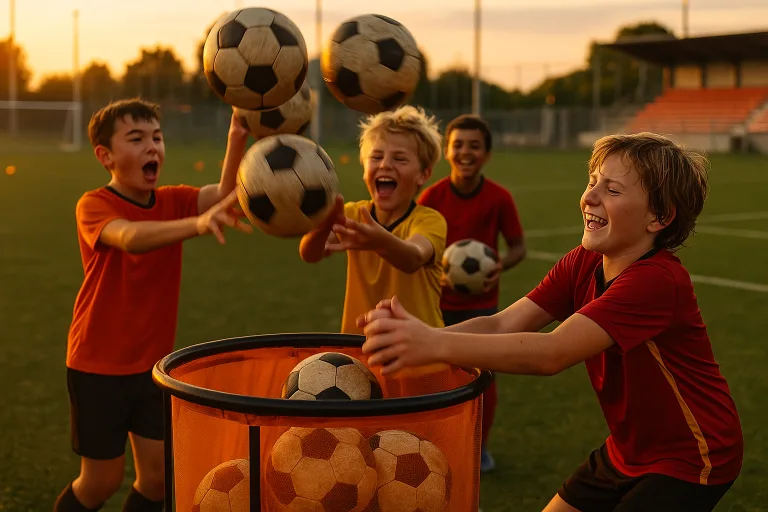
Balashikha is an active community for youth sport with plenty of opportunity for children to discover and develop a love of football. This guide collects age-appropriate training methods, practical tips for kids aged 4–14, advice for parents, an overview of local tournament pathways, and short inspiring stories to motivate young players and their families.
Age-specific training methods
Focus training on fun and fundamentals early, then add technique, small-sided games and tactical awareness as kids grow.
— Ages 4–6 (foundation)
— Primary goal: play, coordination, and ball familiarity.
— Session length: 30–45 minutes, 1–2 times/week.
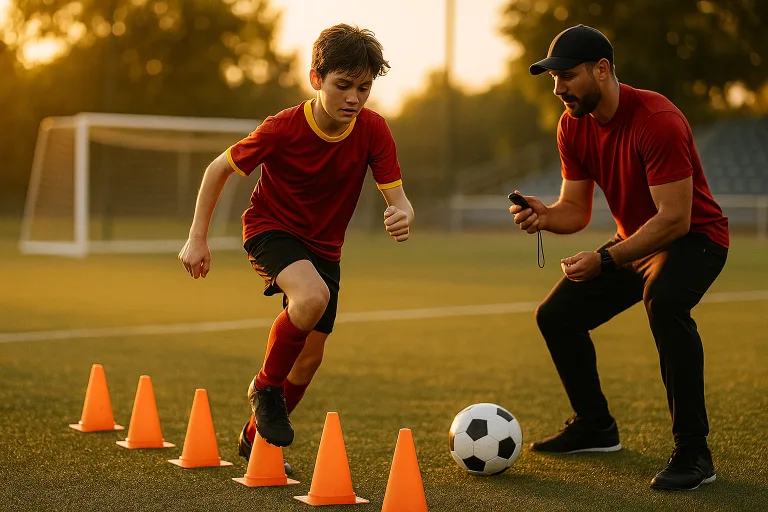
— Drills: tag games with ball, dribbling through cones, stop-and-go, short passing into small targets, basic balance exercises.
— Keep sessions playful — use rewards and short activities.
— Ages 7–9 (skill building)
— Primary goal: technique, first touches, simple teamwork.
— Session length: 45–60 minutes, 2–3 times/week.
— Drills: dribbling relays, 1v1 games, passing circuits, shooting from short range, small-sided 3v3–5v5 games.
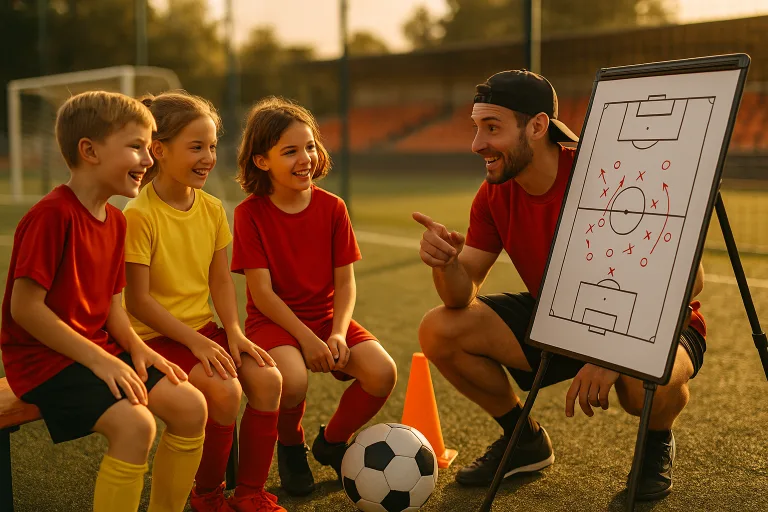
— Introduce basic positions and simple tactical ideas (supporting teammates, spacing).
— Ages 10–12 (refinement & game understanding)
— Primary goal: repetition, decision-making, fitness basics.
— Session length: 60–75 minutes, 3 times/week plus light individual work.
— Drills: rondos (possession games), finishing under pressure, combination play, small-sided tactical scenarios, speed & agility work.
— Start video review of matches to teach positioning and choices.
— Ages 13–14 (specialization & physical development)
— Primary goal: advanced technique, strength & conditioning, tactical systems.
— Session length: 75–90 minutes, 3–5 times/week with recovery days.
— Drills: position-specific training, transitional play (attack–defence), set-piece practice, structured fitness (age-appropriate strength and sprint training).
— Monitor growth spurts and adjust workload to prevent injury.
Practical tips for kids (4–14)
— Gear: comfortable boots (firm ground/indoor as needed), shin guards, breathable training clothes. Properly fitting equipment prevents injuries.
— Warm-up & cooldown: 10–15 minutes of dynamic warm-up and light stretching after training.
— Nutrition: balanced meals — carbs for energy, protein for recovery. Hydration before, during, and after training.
— Sleep: aim for adequate sleep (9–11 hours for younger kids, 8–10 for teens).
— Fun & variety: keep training enjoyable—mix technical drills with games.
— Ball touches: encourage daily short sessions (10–20 minutes) of ball work — juggling, dribbling, passing against a wall.
— Injury prevention: report pain early, use rest and ice for acute issues, and follow coach/physio guidance.
Advice for parents
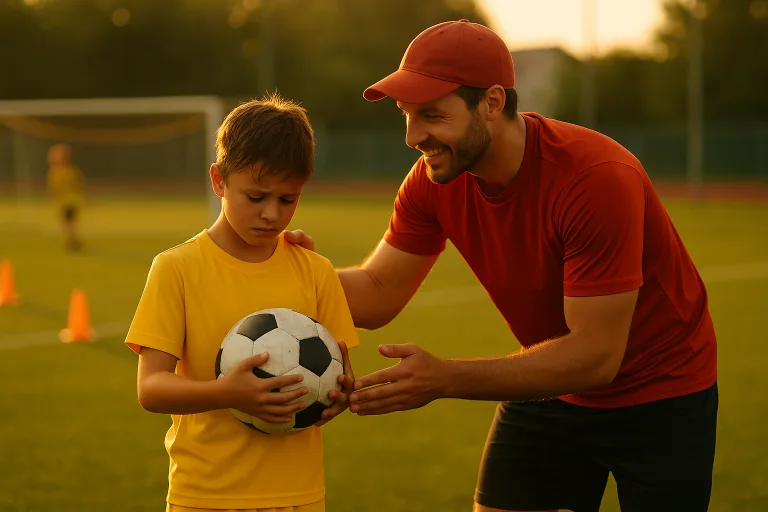
— Support, don’t pressure: celebrate effort and learning more than results.
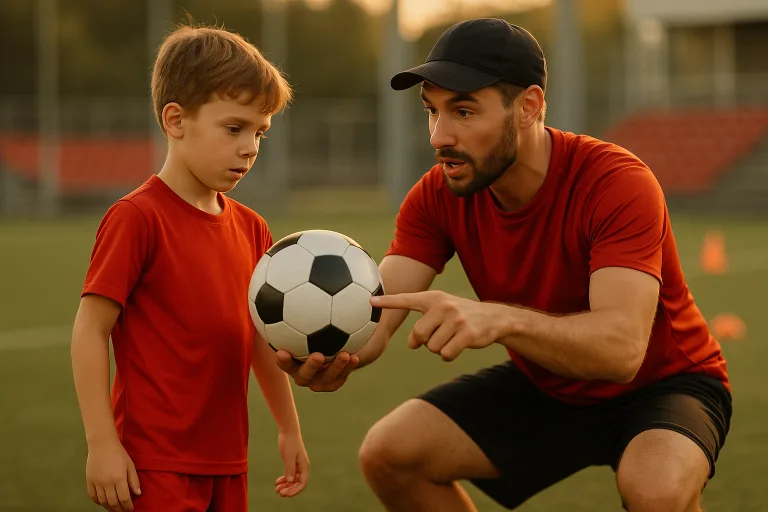
— Keep communication open with coaches: ask about goals, progress, and expectations.
— Manage schedule: balance school, training, and rest to avoid burnout.
— Encourage independence: let children take responsibility for gear and simple decisions.
— Transport & logistics: plan timely arrivals so kids can warm up properly.
— Positive sideline behavior: model respect for referees, coaches, and other parents.
— Financial planning: youth football can include fees, travel, and kit costs — budget ahead.
— Education first: maintain school performance and ensure training complements academics.
Tournament and competition overview (Balashikha & Moscow region)
— Local levels:
— School championships and city-wide youth tournaments organized by Balashikha sports departments and municipal DYuSSh (ДЮСШ).
— Club leagues and friendly festivals during spring/summer.
— Regional levels:
— Moscow Oblast (Mосковская область) youth competitions and selection events where talented players can be scouted by higher-level academies.
— Indoor futsal leagues in winter — good for close-control skills.
— How to find events:
— Check Balashikha municipal sports department announcements, local clubs’ social media, and school sports teachers.
— Ask coaches about pathways to district and regional competitions.
— Preparing for tournaments:
— Practice match scenarios, simulate tournament schedules (multiple short games), prioritize hydration and recovery, review opponent tendencies with your coach.
— Make a checklist for kit, snacks, and first-aid items.
Inspiring local stories (composite examples)
— Example 1 — From playground to district team:
— Misha started at age 6 in a local playgroup. With daily ball touches and supportive coaches in a municipal DYuSSh, by age 11 he made the district team and experienced his first regional tournament.
— Example 2 — Family support makes the difference:
— Anya, age 9, loved football but was shy at tryouts. Her parents focused on encouragement, short extra sessions at the park, and a patient coach — by 12 she was a regular starter on her club’s team.
— Example 3 — Late starter with fast progress: