Growing Little Champions in Balashikha: Training, Parents’ Guide, Tournaments and Practical Tips for 4–14 Year-Olds
Introduction
Football for children in Balashikha is more than a pastime — it’s a way to build coordination, teamwork and confidence. This guide covers age-appropriate training methods, practical tips for parents, local tournament timing and inspiring pathways for young players aged 4–14 in Balashikha and the Moscow region.
Training methods by age group
Focus training on fundamentals, fun and progressive skill-building.
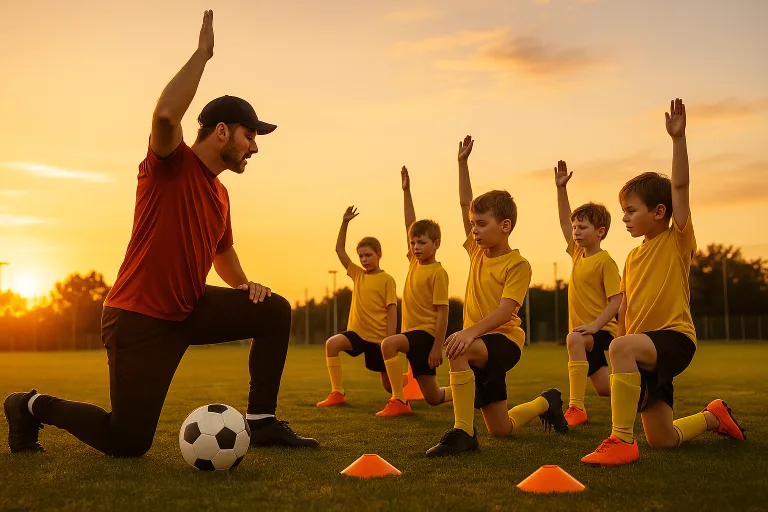
— Ages 4–6 (first touch and love of the game)
— Session length: 30–40 minutes.
— Focus: basic ball familiarity, running, balance, simple games.
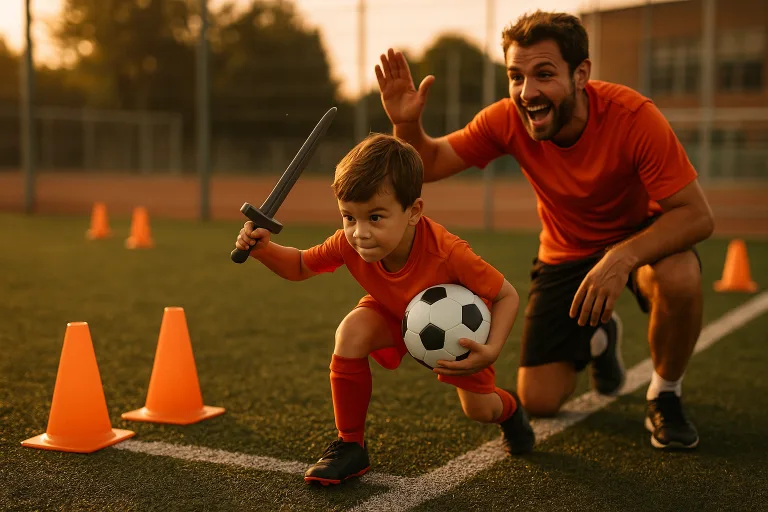
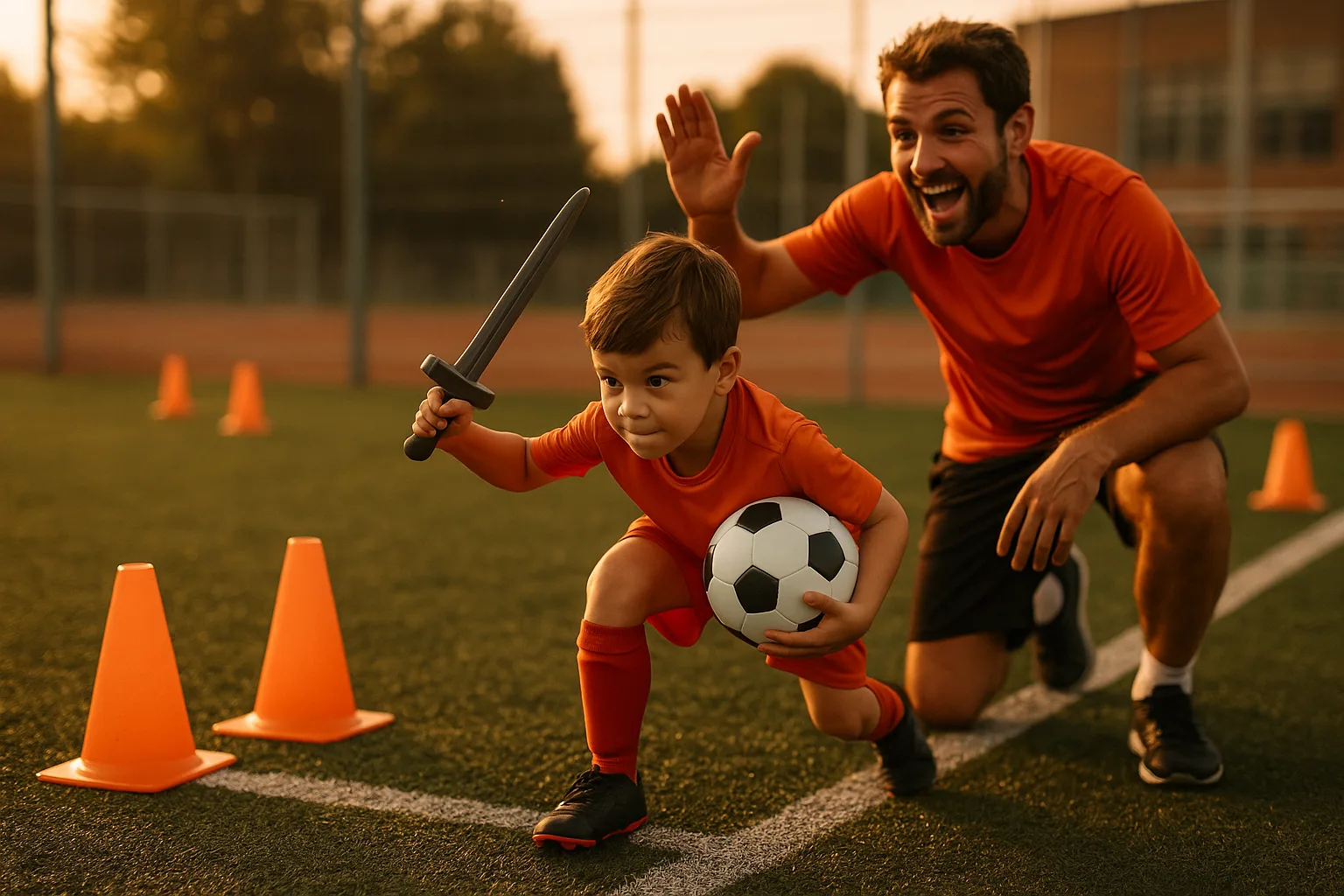
— Drills: “Red Light / Green Light” with the ball, 1v1 mini-challenges, dribbling through cones in a relay.
— Coach style: play-based, praise, short activities.
— Ages 7–10 (technique and simple tactics)
— Session length: 45–60 minutes.
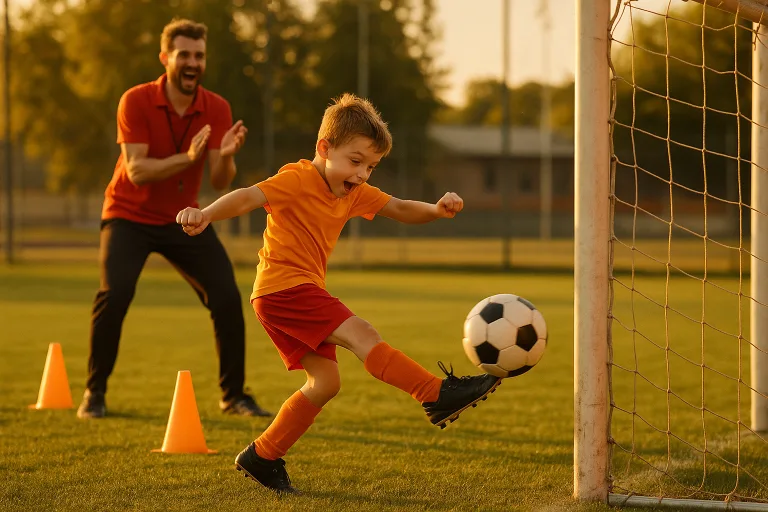
— Focus: individual technique (dribbling, passing, shooting), spatial awareness, small-sided games (3v3–5v5).
— Drills: passing triangles, dribble-and-turn, small-goal shooting circuits, positional mini-games.
— Coach style: structured but still playful, introduce basic rules and teamwork.
— Ages 11–14 (physical development and game intelligence)
— Session length: 60–90 minutes.
— Focus: refined technique, tactical understanding, conditioning, strength and injury prevention.
— Drills: rondos for quick decision-making, pattern play, finishing under pressure, sprint and agility work.
— Coach style: technical correction, tactical sessions, mental preparation.
Practical session structure (all ages)
— Warm-up (10–15 min): dynamic movement and ball touches.
— Skill work (15–30 min): focused technical drills.
— Tactical/game practice (15–30 min): small-sided games emphasizing the session theme.
— Cool-down and reflection (5–10 min): light stretching and one positive takeaway.
Advice for parents
— Encourage, don’t coach from the sideline: let coaches teach. Positive support matters more than instructions during matches.
— Prioritize health and fun: good sleep, balanced meals and injury prevention matter more than hours of training.
— Choose the right environment: look for qualified, child-centered coaches and clubs that emphasize development.
— Manage expectations: progress is nonlinear — celebrate effort and small improvements.
— Communicate respectfully: build a partnership with coaches; ask about training plans, goals and safety procedures.
— Equipment & safety: proper-size boots, shin guards, comfortable clothing. For young kids, softer balls (size 3 for ages 4–7) reduce injury risk.
— Balance school and sport: maintain academics and free play; avoid overscheduling.
Tournaments and seasons (what to expect in Balashikha / Moscow Region)
— Typical outdoor season: April–October — local leagues and friendly tournaments.
— Indoor/futsal season: November–March — many clubs run winter futsal competitions and training.
— Types of events:
— Municipal and school-based tournaments.
— Club leagues (age-group rounds).
— Regional cups organized by the Moscow Oblast Football Federation.
— How to join:
— Ask your child’s club about their tournament calendar.
— Search for local events via municipal sports department (поиск: «футбол Балашиха секция», «ДЮСШ Балашиха», «турнир по футзалу Московская область»).
— Attend open days and trial tournaments to evaluate competition level.
Inspiring (composite) success stories
— From playground to regional squad: Sergei started training at 7 in a Balashikha kids’ group focused on dribbling and small-sided games. By 11 his coach recommended regional trials — consistent practice, supportive parents and match experience led to a place in the Moscow oblast youth team.
— The late bloomer’s path: Anya played futsal through winter and improved her touch and decision-making. Despite being smaller than teammates, consistent technical work and good attitude won her a spot on a competitive club at 13.
These are representative paths showing how steady effort, the right environment and parental support lead to progress.
Practical tips — drills and at-home practice
— Daily 10–15 minute micro-practices work wonders:
— Ball mastery: toe taps, inside/outside touches, rolls.
— Dribbling: zig-zag cone runs, shielding a ball from a parent or sibling.
— Passing: wall passes (use a rebound wall or service door), aiming at targets.
— Shooting: low-pressure finishing practice from short distances.
— Games to play with kids:
— “Treasure hunt”: dribble and collect cones into a box.
— “Keepaway” (rondos) to practice quick passing and decision-making.
— Physical conditioning (age-appropriate):
— Coordination ladders, short sprints, skipping, basic core exercises for older kids.
— Nutrition & recovery:
— Simple carbs + protein around training (banana + yogurt).
— Hydration before, during and after practice.
— Sleep: ages 4–14 need plenty of sleep — essential for development.
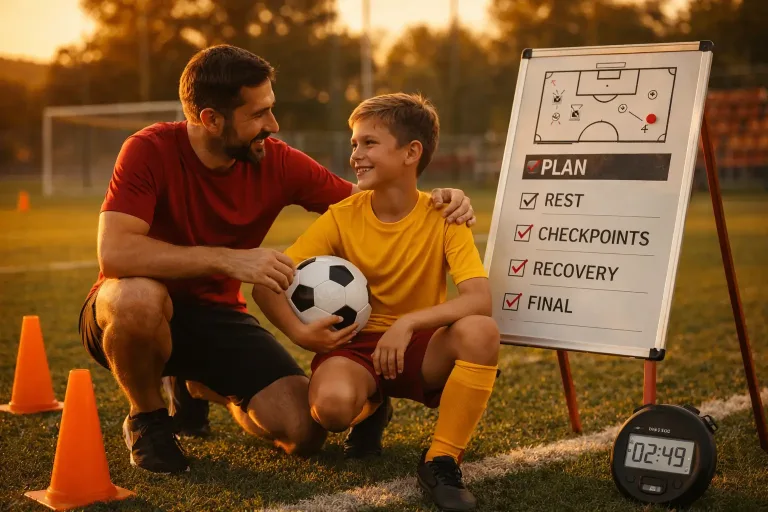
Sample weekly plan (examples)
— Age 6: 2 sessions/week (local class) + 10–15 min at-home ball play 3–4x/week.
— Age 9: 3 sessions/week (2 club, 1 game) + 15 min skill practice 4x/week.
— Age 13: 4–5 sessions/week (including gym/conditioning) + match weekend; include 1 rest day.
Finding clubs, coaches and resources in Balashikha
— Search phrases to use:
— «футбол Балашиха секция», «детская футбольная школа Балашиха», «ДЮСШ Балашиха».
— Where to look: