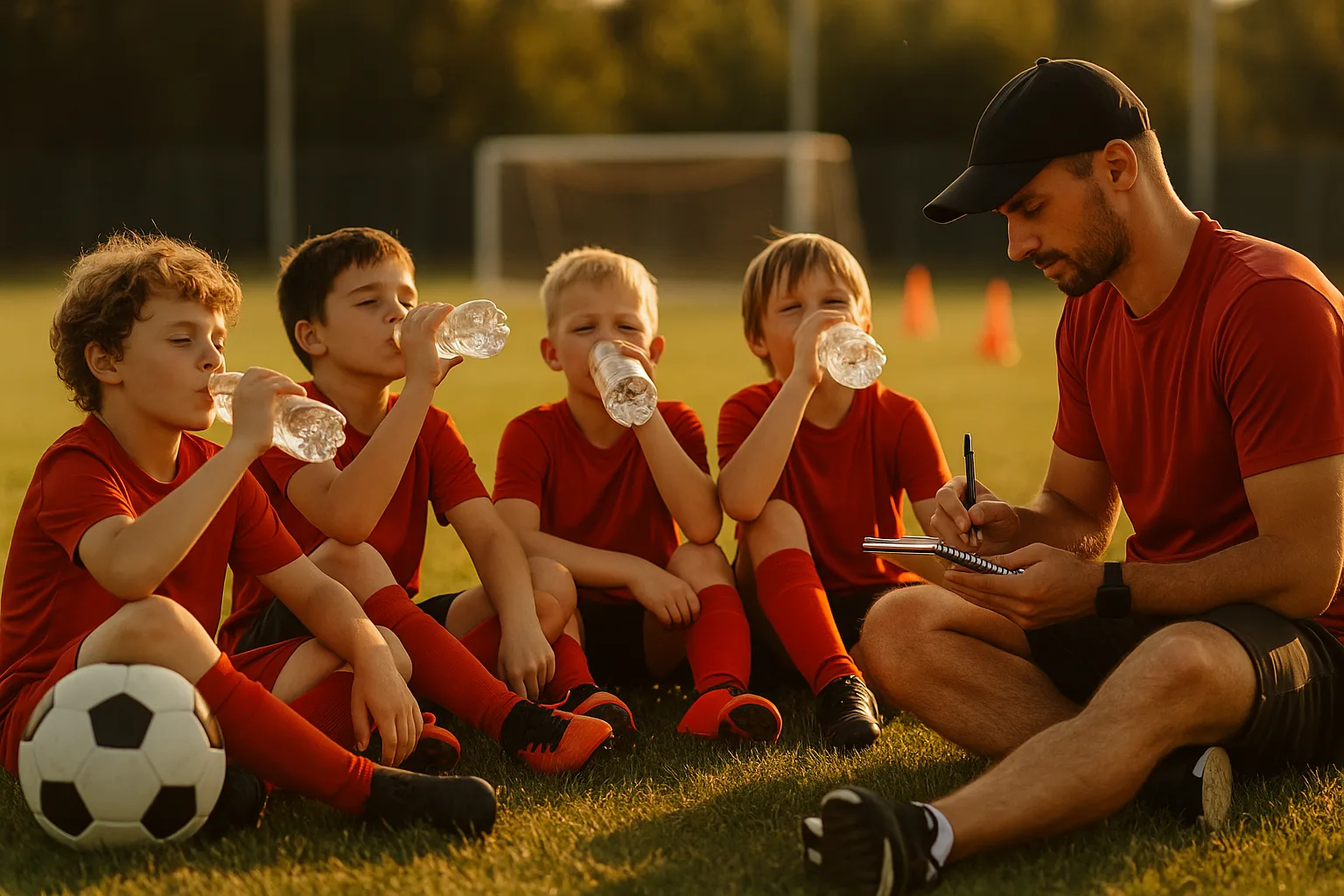
Growing Football Stars in Balashikha: Training, Parent Advice, Tournaments and Practical Tips for Ages 4–14
Introduction
Whether your child is just kicking a ball in the yard or already plays for a local team, Balashikha and the Moscow region offer many opportunities to develop football skills. This guide brings together age-appropriate training methods, clear advice for parents, a practical tournament overview, inspiring (composite) success stories, and hands-on tips for kids aged 4–14.
Training methods by age
— Age 4–6 (fun, motor skills, love of the game)
— Focus: basic coordination, balance, running, stopping, simple ball contacts.
— Activities: games with small goals, tag with a ball, dribbling through cones (very short distances), ball juggling with hands/feet for rhythm.
— Session length: 30–45 minutes, very play-focused.
— Age 7–10 (technique, simple tactics, teamwork)
— Focus: close control, passing, basic shooting, small-sided games (3v3, 4v4).
— Activities: passing circuits, 1v1 challenges, shooting from short range, positional play games.
— Session length: 60–75 minutes. Mix drills and games 50/50.
— Age 11–14 (refinement, physical preparation, game intelligence)
— Focus: technique under pressure, tactical understanding, physical conditioning (age-appropriate), set pieces, decision-making.
— Activities: position-specific drills, small-sided tactical scenarios, interval running, strength exercises with body weight, video review of matches.
— Session length: 75–90 minutes with warm-up and cool-down.
Sample weekly plan (ages 10–14)
— Monday: Technical session (dribbling, passing) — 70 min
— Tuesday: Light conditioning + small-sided games — 60 min
— Wednesday: Rest or light activity (swim, bike)
— Thursday: Tactical session (position work, set pieces) — 70–80 min
— Friday: Technical and finishing — 60 min
— Saturday: Match or tournament
— Sunday: Recovery and play
Practical drills you can do in Balashikha parks or backyard
— Cone slalom (3–5 cones) — 30–60 seconds runs, emphasis on tight touches.
— Passing in pairs — one-touch, two-touch, moving target.
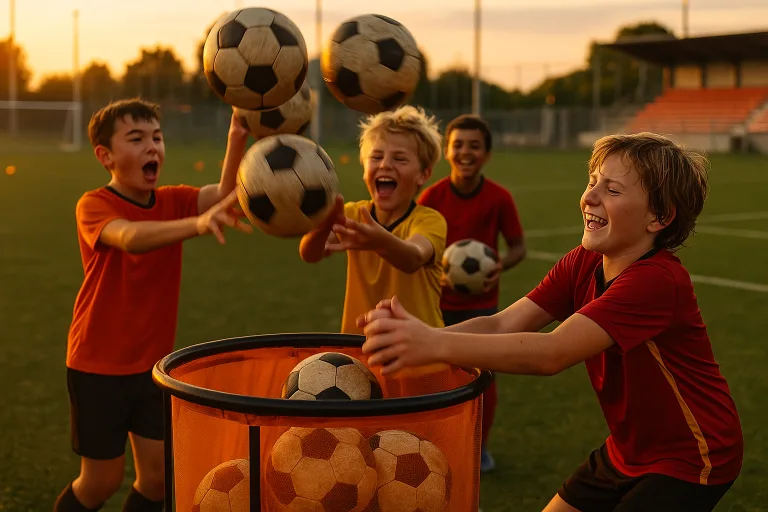
— Mini goals 3v3 — encourages quick decisions and constant involvement.
— Shooting drill — receive from a short pass and shoot into a small target.
— Reaction games — coach/parent calls color/number; player reacts and dribbles to that cone.
Advice for parents
— Prioritize fun and consistent participation over early specialization. Kids burn out fast if pressured.
— Choose a coach who emphasizes technique, safety, and positive feedback. Ask about coaching qualifications and child protection policies.
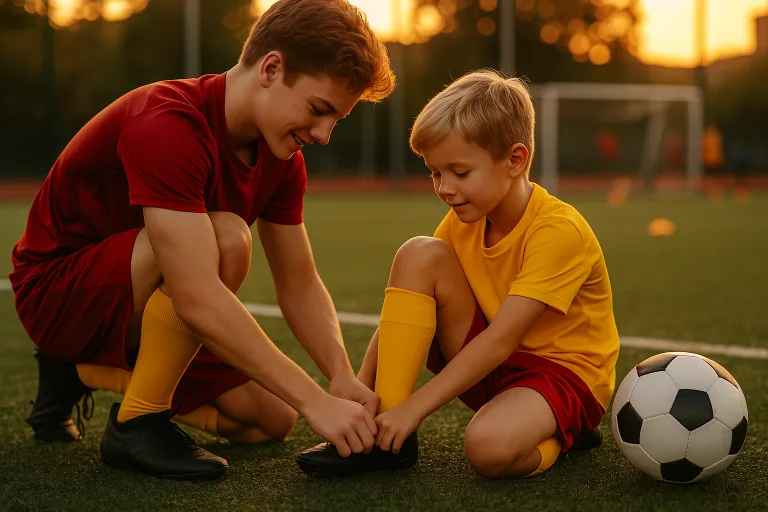
— Safety first: appropriate boots for surface, shin guards, weather-appropriate layers, and hydration.
— Encourage routine: healthy sleep, balanced meals, limited screen time before training and matches.
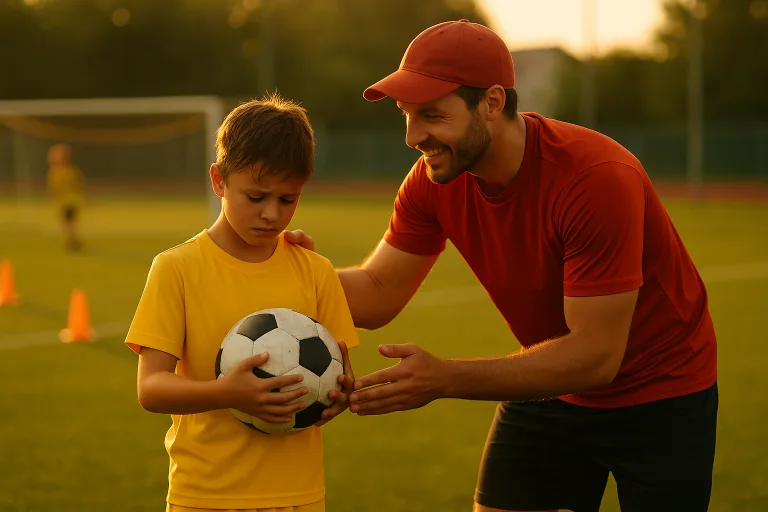
— Support emotionally: praise effort, not just outcomes. Help kids reflect on what they learned after a game.
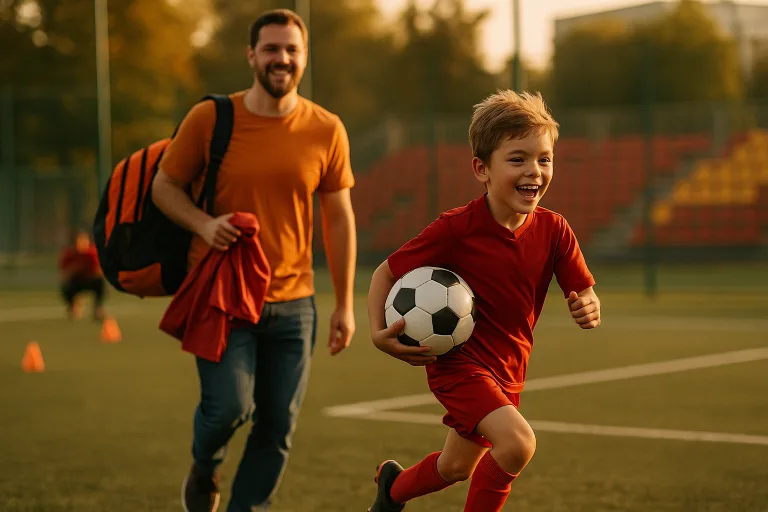
— Logistics: arrive early for warm-up, learn the season calendar, and coordinate rides with other parents for practice/matches.
— Communication: stay in touch with the coach about objectives, progress, and any injuries. Volunteer when possible (team manager, kit organizer).
Preparing for tournaments in Balashikha and the Moscow region
— Types of events to expect:
— Local club friendlies and municipal mini-leagues
— Regional youth championships (Moscow Oblast cadet competitions)
— Winter futsal tournaments in indoor gyms (popular October–March)
— Summer festivals and one-day cups
— Typical tournament calendar:
— Spring/August–October: outdoor mini-tournaments and municipal leagues
— Winter: indoor futsal competitions and technical camps
— Summer: festivals, academies and inter-city cups
— Tournament checklist:
— Team registration and medical forms
— Uniforms/backup shirts, bibs, numbered shirts
— Extra boots, turf shoes, shin guards, socks
— Water, snacks (bananas, sandwiches), first-aid basics
— Warm clothing, rain jacket, sunscreen (seasonal)
— Consent and emergency contact details
— Match-day tips:
— Short warm-up and light re-fuel 90–120 minutes before play
— Encourage focus on roles and simple tactical reminders
— Post-match: cool-down, quick debrief emphasizing positives and a single improvement point
Local opportunities in Balashikha (how to find them)
— Look for municipal Детско-юношеская спортивная школа (ДЮСШ) programs and youth sections of local sports complexes.
— Private academies and futsal centers in the Moscow region often run year-round groups and winter sessions.
— Community parks and school fields host informal training groups and weekend mini-leagues.
— Use local social channels (VK groups), notice boards at sports complexes, and school PE teachers for leads.
— Attend open trial sessions — many clubs run free taster sessions so kids and parents can evaluate fit.
Inspiring success stories (composite examples)
— From street to regional squad: A 9-year-old started at neighborhood sessions, practiced twice weekly, joined a ДЮСШ at 11, and by 13 earned selection to a regional development team thanks to consistent training and supportive coaching.
— Late starter success: A child who only began at age 10 focused on technique and small-sided games and by 14 became a key player for a city youth team — showing that steady progress beats early pressure.
— Multisport advantage: Another young player combined football with swimming and athletics until age 12, which improved general athleticism and reduced injury risk, later excelling in football-specific training.
Note: these are composite/inspirational examples reflecting typical successful pathways in the region, not individual public figures.
Nutrition, recovery and injury prevention
— Nutrition basics for kids:
— Balanced meals with complex carbs (porridge, bread), lean protein, vegetables, and fruit.
— Pre-training snack: light carbs and some protein 60–90 minutes before activity (banana + yogurt).
— Hydration: water before, during, and after sessions. For long tournaments consider electrolyte drinks.