Raising the Next Generation of Footballers in Balashikha: Training, Tournaments, and Practical Tips for Kids (4–14)
Introduction
Balashikha is a city with growing grassroots football culture — enthusiastic parents, municipal sports programs, and several private academies supporting kids aged 4–14. This guide brings together age-appropriate training methods, advice for parents, tournament overviews, inspiring (composite) success stories, and practical tips you can use right away to help a child develop skills, confidence, and a love of the game.
Training methods by age group
Each age has different physical, cognitive and social needs. Focus on *fun and fundamentals* early, then add structure, decision-making and physical conditioning.
— Ages 4–6: Foundation and play
— Goal: motor skills, basic ball familiarity, enjoyment.
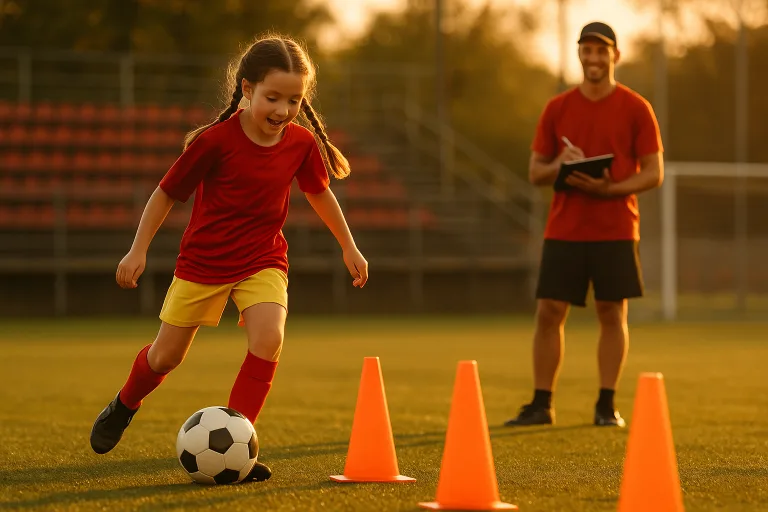
— Methods: short (20–30 min) playful sessions, ball games, obstacle courses, simple dribbling and passing with soft goals.
— Emphasize: no pressure, praise effort, rotate activities every few minutes.
— Ages 7–9: Technical repetition and small-sided games
— Goal: basic technique (dribbling, passing, shooting), spatial awareness.
— Methods: 3v3 and 4v4 small-sided matches, coordinated drills for both feet, fun challenges (1v1 duels, zones).
— Emphasize: technique under light pressure, introduce simple tactics (supporting, switching play).
— Ages 10–12: Tactical understanding and decision-making
— Goal: refined technique, off-the-ball movement, basic formations, fitness foundations.
— Methods: 6v6/7v7 games, position rotations, decision-making drills (2v1, 3v2), introduction to structured warm-ups and cool-downs.
— Emphasize: make practice game-like, encourage communication and leadership.
— Ages 13–14: Physical development and role refinement
— Goal: stronger technical consistency, tactical roles, strength, speed and injury prevention.
— Methods: team tactics, intensive but age-appropriate conditioning (plyometrics, agility), video feedback, strength basics (bodyweight).
— Emphasize: load management, recovery, balancing sport and school.
Sample weekly plans (time per week)
— 4–6 years: 1–2 sessions x 30–45 min + free play (kickabouts).
— 7–9 years: 2–3 sessions x 60 min + 1 small match.
— 10–12 years: 3 sessions x 75–90 min + weekend match.
— 13–14 years: 3–4 sessions x 90–120 min (mix technical, tactical, conditioning) + match.
Practical drills and progressions
— Dribbling ladder (4–9 yrs)
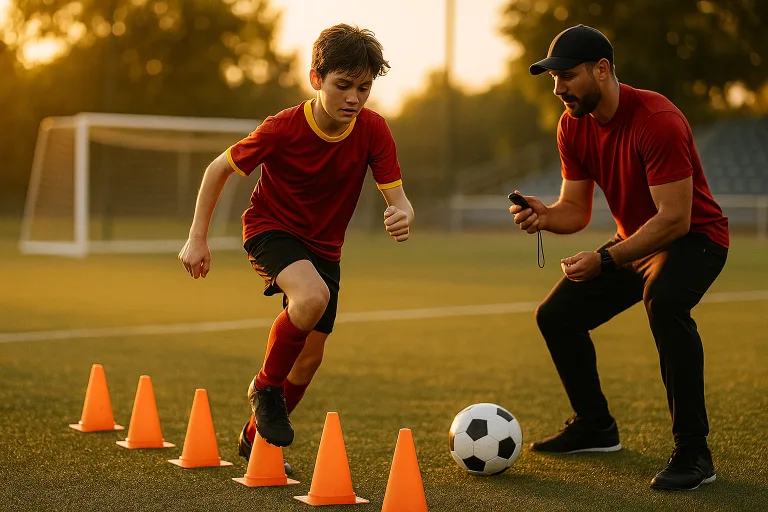
— Set cones 1m apart in a line. Dribble through using inside/outside touches. Progress: use weaker foot only; add timed relay races.
— 1v1 attack vs defense (7–12 yrs)
— Small field, one goal/mini-goal. Attacker starts with ball, defender tries to win it before the shot. Coaching cues: attackers use change of pace; defenders stay goal-side and delay.
— Passing triangles (8–14 yrs)
— Three players form a triangle, practice one-touch, two-touch passing and movement into new space. Progress: add defender, require weak-foot passes.
— Shooting circuit (10–14 yrs)
— Station-based: close-range finishing, long-range strikes, volleys. Emphasize body over ball, head steady.
— Small-sided games (all ages)
— 3v3 to 7v7 depending on age. Use for teaching transitions, pressing, and teamwork. Rotate positions.
Advice for parents
— Prioritize enjoyment and process over results. Children who love football keep improving.
— Keep expectations realistic: development is non-linear; late growth and skill surges are common.
— Support attendance and rest: consistent practice wins over infrequent intense sessions.
— Logistics: arrive early to help with warm-up, and plan nutritious snacks and water.
— Communication with coaches: use constructive, respectful dialogue; ask about objectives, progression and how you can help at home.
— Avoid over-specialization before age 12 — encourage multiple sports to build physical literacy and reduce burnout/injury risk.
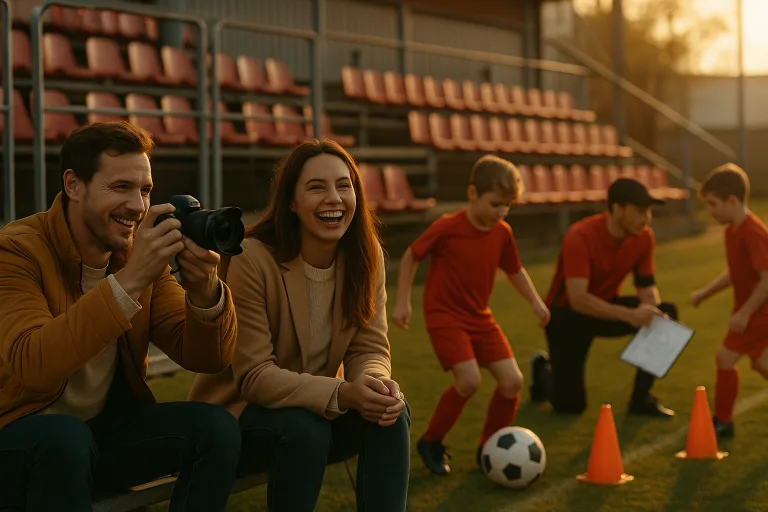
— Model good sideline behavior: no coaching from the stands during training/matches; positive encouragement only.
Preparing for tournaments (overview & checklist)
Tournaments in the Moscow region often use age-group brackets, small-sided formats and festival-style scheduling. Preparation matters as much as skill.
— Formats to expect:
— Short matches (10–25 minutes per half) for younger ages.
— Group stage + knockout for older kids.
— Fair-play and rotation rules to ensure equal playing time are common.
— 48–24 hour checklist:
— Hydration and carbohydrate-rich meals (pasta, rice, fruit).
— Rest (earlier bedtime the night before).
— Kit: two sets of jerseys, shinguards, extra socks, rain jacket, spare boots, water bottle, snacks (bananas, sandwiches).
— Medical: basic first-aid, any meds, list of allergies.
— Match-day tips:
— Warm up 20–30 minutes pre-game (light jogging, dynamic stretching, ball touches).
— Keep halftime simple: hydration, positive feedback, tactical tweak.
— Post-match: cool down (light jog + stretch), snack, and review one positive + one improvement.
Inspiring success stories (composite examples from local pathways)
These are composite examples based on typical development paths observed in families and clubs across Balashikha and the Moscow region.
— From kickabout to academy captain
— A boy starting at age 6 loved after-school kickabouts. At 8 he joined a local academy, focused on two-foot technique and small-sided games. By 12 he earned captaincy of his age group through consistent attendance, listening to coaches, and a growth mindset.
— Late bloomer to regional squad
— A girl who was average at age 10 but improved rapidly with targeted work on first touch and spatial awareness. She began strength and conditioning at 13, and her performance in a regional tournament earned invitations to trial for