Growing Young Footballers in Balashikha: Training Methods, Parent Advice, Tournaments, Success Stories & Practical Tips (Ages 4–14)
Introduction
Balashikha is a great place for kids to start football — close to Moscow, many municipal sports programs, and year-round opportunities (outdoor in warm months, futsal/indoor in winter). This guide gives coaches and parents practical training methods, age‑appropriate tips, tournament overviews, and inspiring success-path examples for children aged 4–14.
Principles of Good Youth Training
— Emphasize fun and love of the game first, especially ages 4–9.
— Focus on technique, coordination, and decision-making rather than early specialization.
— Use small‑sided games for more touches and learning opportunities.
— Ensure progressive overload: increase intensity and complexity with age and physical development.
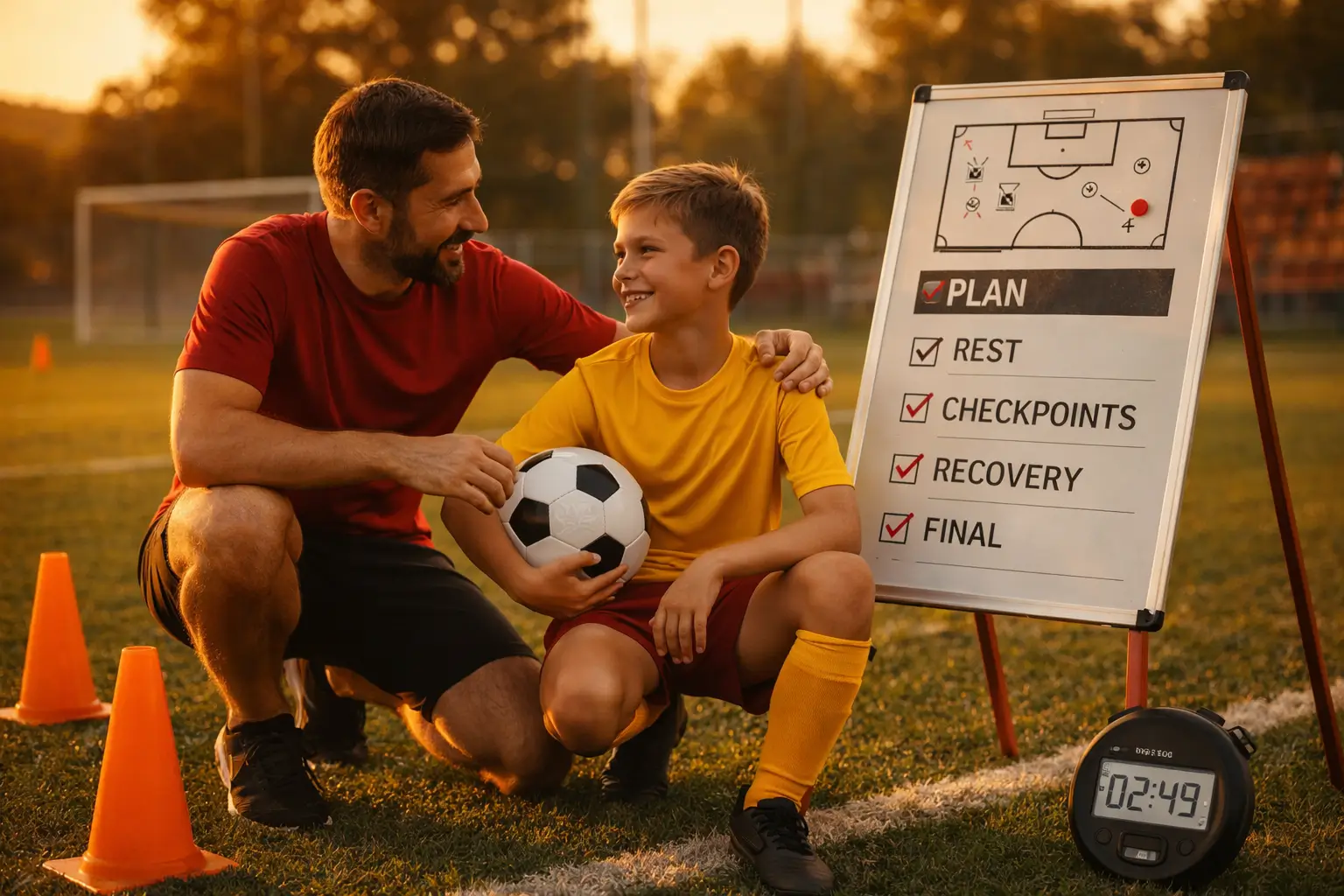
— Safety and recovery are as important as training: warm-ups, rest days, and injury prevention.
Age‑Specific Training Methods and Weekly Plans
Age 4–6 (Fundamentals)
— Goal: motor skills, ball familiarity, enjoyment.
— Sessions: 30–45 minutes, 1–2 times/week plus free play.
— Methods:
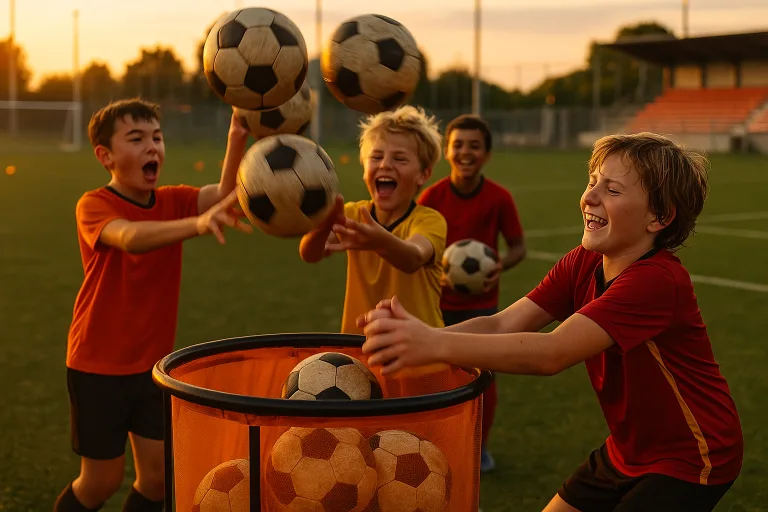
— Play-based drills: tag games with a ball, obstacle dribbles, simple passing into a small target.
— Short relays to build coordination and balance.
— Weekly snapshot: 1 club session (30–45 min), 1 free play session in park (30 min).
Age 7–9 (Foundation)
— Goal: basic technique (dribbling, passing, shooting), spatial awareness.
— Sessions: 45–60 minutes, 2–3 times/week.
— Methods:
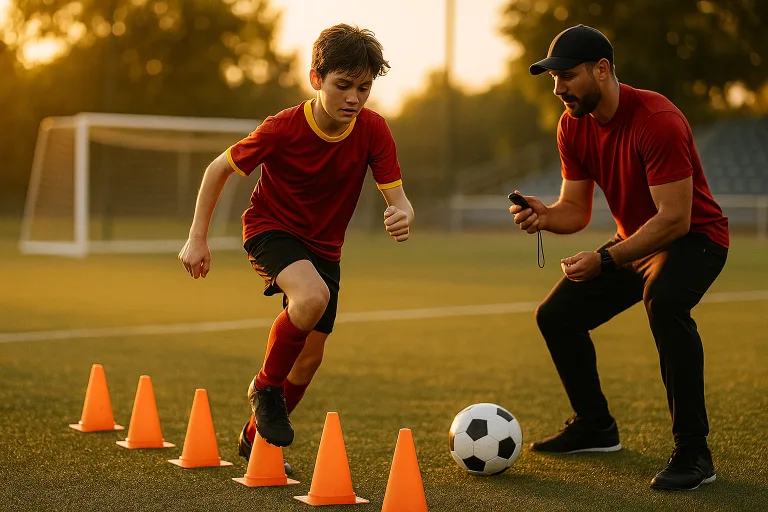
— Technical circuits (dribbling ladders, passing pairs, shooting from close range).
— Small-sided games (3v3, 4v4) to develop decision-making.
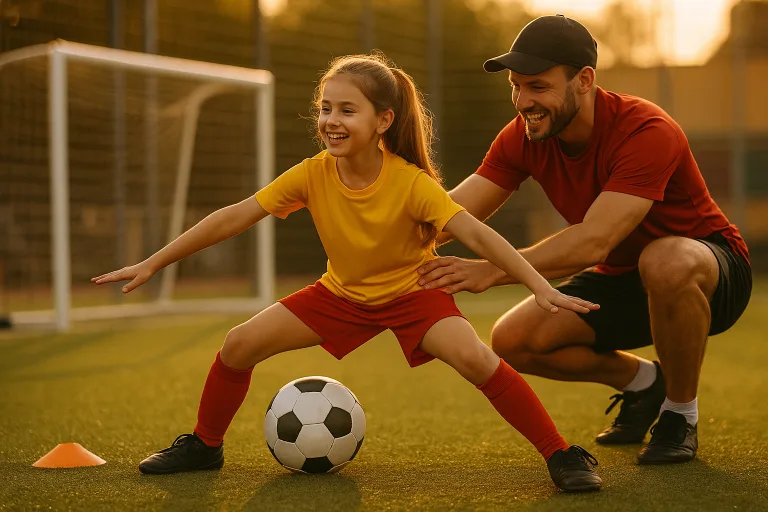
— Fun physical literacy: balance, jumping, basic agility.
— Weekly snapshot: 2 club sessions + 1 small-sided match or scrimmage.
Age 10–12 (Skill Consolidation)
— Goal: refining technique, tactical introduction, stronger physical conditioning.
— Sessions: 60–90 minutes, 3 times/week + matches.
— Methods:
— Skill work under pressure (1v1, 2v1).
— Tactical principles: space, support, basic positional play.
— Age‑appropriate strength and conditioning (bodyweight exercises, coordination).
— Weekly snapshot: 2 training sessions, 1 strength/conditioning session, 1 match.
Age 13–14 (Performance Building)
— Goal: higher tactical understanding, speed, power, mental preparation.
— Sessions: 90–120 minutes, 3–5 times/week + competitive matches.
— Methods:
— Position-specific drills, team tactics, set pieces.
— Individual technical refinement at higher speed.
— Structured conditioning and recovery routines (mobility, sleep, nutrition).
— Weekly snapshot: 3–4 training sessions, gym/conditioning, weekend match.
Practical Drills (quick, easy to run)
— 4–6: “Number Ball” — kids dribble and freeze on coach call; good for control and listening.
— 7–9: “Gate Passing” — pairs pass through small cones; adds accuracy and movement.
— 10–12: “Rondo Progression” — start 2v1 rondo, progress to 3v2 to teach support and pressing.
— 13–14: “Transition Games” — quick change from defense to attack, counters from turnover.
Equipment & Clothing (Balashikha climate)
— Year-round: comfortable fit, breathable fabrics, shin guards, training ball size by age (size 3 for <8, size 4 for 8–12, size 5 from ~13).
— Autumn/Spring: studs for muddy fields, waterproof training top.
— Winter: indoor futsal shoes or turf trainers, thermal layers, gloves, hat. Seek local indoor halls or futsal centers for consistent practice.
Nutrition & Recovery (simple guidelines)
— Focus on whole foods: carbohydrates for energy (bread, porridge, potatoes), lean protein, fruits/vegetables.
— Hydration before, during, after practice.
— Ensure 8–10 hours sleep (younger kids need more).
— Avoid early specialization—encourage multiple sports in younger years.
Injury Prevention
— Structured warm-up (10–15 minutes): dynamic stretches, agility ladders, mobility.
— Emphasize proper technique in jumping, landing, and cutting to protect knees and ankles.
— Rest weeks and off-season recovery to prevent overuse injuries.
— Promptly assess injuries — use local sports medicine clinics; for persistent issues see a pediatric sports specialist.
Role of Parents
Do:
— Encourage effort and enjoyment, not just results.
— Support attendance and punctuality; provide healthy meals and sleep routines.
— Observe but avoid constant coaching from sidelines; positive reinforcement works best.
— Communicate with coaches respectfully and proactively.
Don’t:
— Pressure children to be stars or compare them to others.
— Over-schedule: balance football with school, rest, and play.
— Push through pain or injuries.
Tournament Overview (what to expect in Balashikha & Moscow region)
— Local level: municipal youth leagues and school competitions — ideal for beginners and skill-building.
— Regional level: Moscow oblast youth leagues and cups — more competitive, travel to nearby towns.
— Indoor futsal: winter season offers numerous tournaments (shorter games, faster play).
— Scouting opportunities: strong performances in regional tournaments can lead to trials at bigger Moscow academies and city-wide selections.
Tips:
— Prepare for varying pitch conditions (grass, artificial turf, indoor courts).
— Prioritize match experience over results for younger ages; aim for friendly tournaments for development.
Inspiring Success Stories (typical pathways from Balashikha)
— Story 1 — Early Joy to Organized Play: A boy starts at 5 in a municipal sports group, practices twice a week, enjoys mini-tournaments, and by 11 is a technical leader on his team. Emphasis: consistent fun, supportive parents, varied play.
— Story 2 — Futsal to Football Leap: A girl excels in winter futsal, developing quick feet and decision-making. She gains attention at a regional futsal cup and combines futsal skills with outdoor football to earn a place in a Moscow youth program at 14.
— Story 3 — Late Bloomer: A child who tried multiple sports focuses on football at 12, works on strength and technique, and through disciplined training and smart coaching advances rapidly by 14 — showing that late specialization can