Growing Football Stars in Balashikha: Training, Parental Advice, Tournaments and Success Stories for Kids 4–14
Introduction
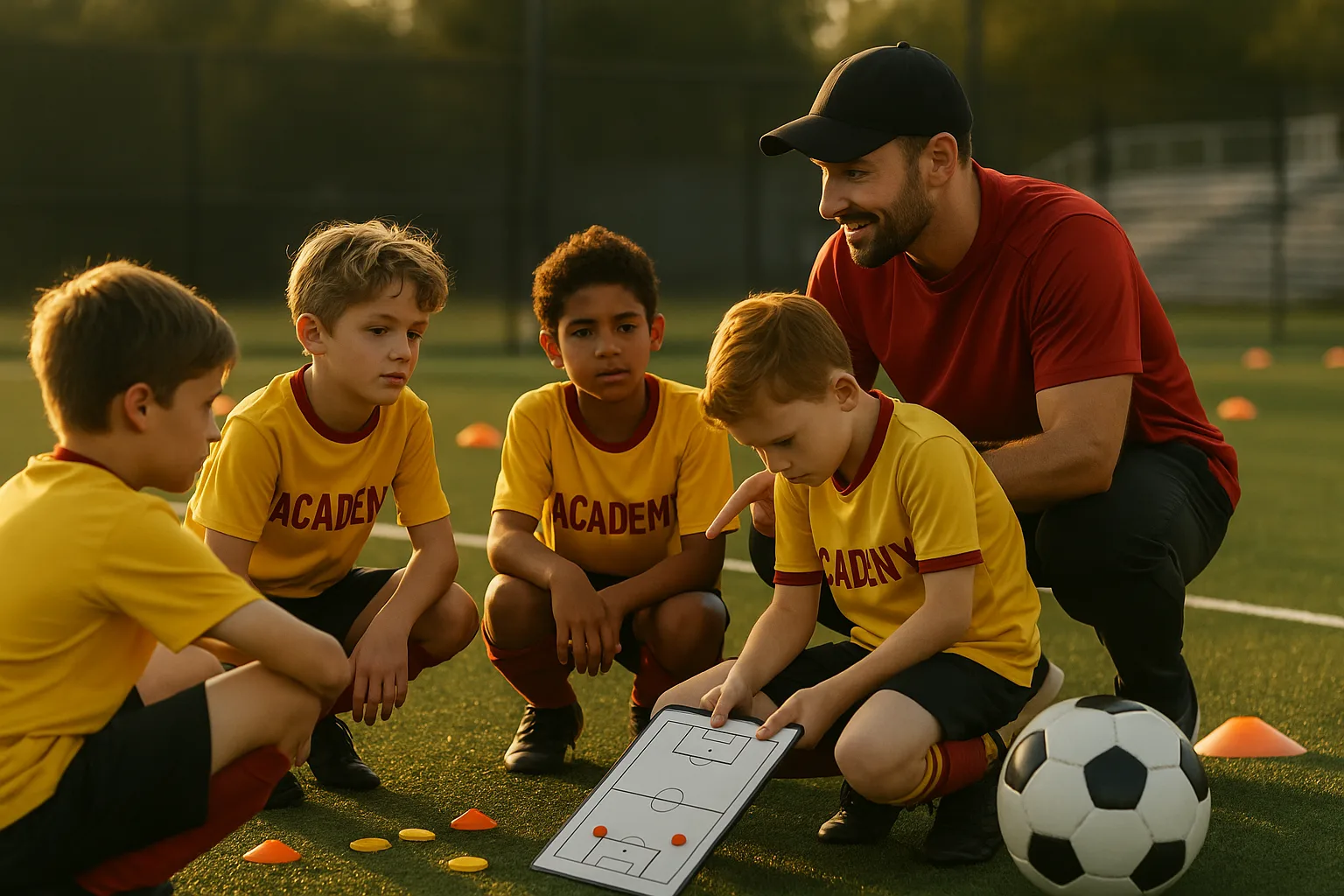
Balashikha has a lively youth football scene — from municipal sports schools (ДЮСШ) and school teams to private academies and indoor futsal halls. Whether your child is 4 or 14, the right mix of fun, technical work and parental support helps them develop skills, confidence and love for the game. This guide gives practical training methods, advice for parents, tournament overviews and short inspiring stories tailored to families in Balashikha.
Training methods by age group
— Ages 4–6 (Fundamentals / fun)
— Focus: motor skills, basic ball familiarity, enjoyment.
— Sessions: 30–40 minutes, lots of games (tag-with-ball, obstacle courses, simple dribbling races).
— Drills: ball touches while standing/stationary, gentle rolling and stopping, short relays.
— Coach style: enthusiastic, positive reinforcement, small groups.
— Ages 7–9 (Technical foundation)
— Focus: footwork, passing basics, simple shooting, 1v1 situations.
— Sessions: 45–60 minutes, mix of skill drills and small-sided games (3v3–4v4).
— Drills: inside/outside touches, short passing drills (2-touch passing), cone dribbling courses, volley practice.
— Emphasis: repetition, technique over strength, introduce basic positions.
— Ages 10–12 (Tactical introduction & physical literacy)
— Focus: game understanding, movement off the ball, combination play.
— Sessions: 60–90 minutes, warm-up, technical block, tactical small-sided play, cool-down.
— Drills: rondo (possession), attacking patterns, defensive shape in 5v5, finishing under pressure.
— Add: light speed/coordination work, body control, basic injury prevention.
— Ages 13–14 (Polish and specialization)
— Focus: position-specific skills, decision-making, strength/conditioning basics.
— Sessions: structured training cycles, 2–4 sessions/week plus match.
— Drills: pattern play, transition drills (defence-to-attack), aerial control, strength exercises (bodyweight, mobility).
— Emphasis: recovery, nutrition, balancing school and training.
Practical training drills (easy to do at home or in the park)
— 5–10 minute daily ball touch routine: inside/outside of both feet, toe-taps, roll-overs.
— Cone weave (10 cones, 1 m spacing): dribble one-touch each cone, then try with weaker foot.
— 1v1 challenge: short pitch, limit touches to promote decision-making.
— Passing target game: set up targets (cones, small goals); count successful passes in 60 seconds.
— Juggling target: aim for 20 touches with dominant foot then weaker foot — track progress.
Advice for parents
— Prioritize fun and learning over immediate results. Praise effort, not just goals or scores.
— Choose the right club: visit training, watch a session, ask about coach qualifications, child-to-coach ratio, safety policy (first aid, insurance), season schedule (outdoor vs indoor).
— Communication: have a respectful, clear line with coaches. Share medical info, learning goals, and ask for regular feedback.
— Avoid overtraining: many young players benefit from playing multiple sports until mid-teens to develop coordination and avoid burnout.
— Support at home: healthy meals, consistent sleep, positive match-day routines. Encourage independent practice (10–20 minutes/day).
— Logistics in Balashikha: plan for seasonal changes — winter often means indoor futsal/mini-football. Coordinate carpools with other parents and confirm club transport or meeting points.
— Volunteer: help with kit, matchday management, or fundraising — it strengthens team community and reduces costs.
Tournament overview and preparation (what to expect in Balashikha)
— Formats by age:
— U7–U9: mini-football / small-sided (3v3, 4v4, 5v5), shorter halves (10–15 min).
— U10–U12: 7v7 or 9v9 depending on organizer, 20–25 min halves.
— U13–U14: 11v11 or 9v9, standard match lengths closer to full game duration.
— Seasonal pattern:
— Autumn/Spring: outdoor tournaments on grass/astroturf.
— Winter: indoor futsal events in sports halls.
— How to prepare:
— Paperwork: medical certificate, club permission, player registration — check with your coach well before the tournament.
— Kit: two sets of shirts, suitable boots (indoor and outdoor), shin guards, water bottle, light rain top.
— Match-day routine: light breakfast, arrive early, focused warm-up (dynamic), hydration, post-match cool-down and calm debrief.
—