Growing Great Players in Balashikha: Training, Tips for Parents, Tournaments, and Inspiring Stories for Kids (Ages 4–14)
Introduction
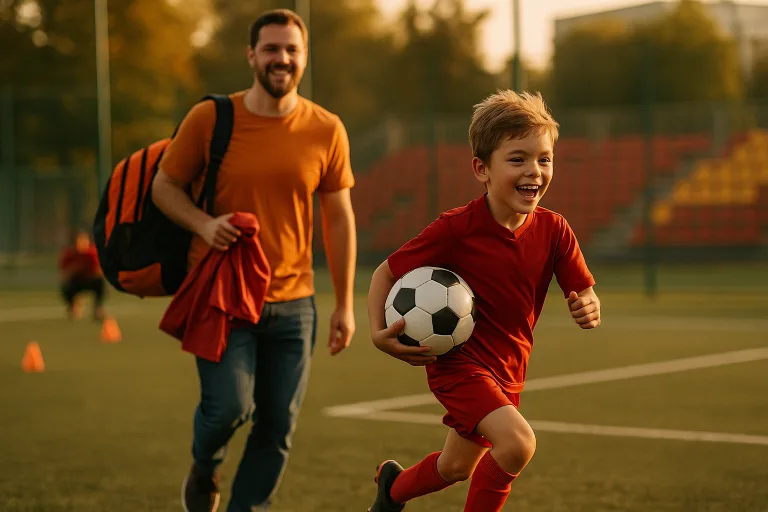
Whether your child is kicking a ball for the first time in Balashikha’s parks or training at a local sports school, this practical guide helps parents and young players (ages 4–14) turn enthusiasm into steady progress. Covering age-appropriate training methods, parent advice, tournament overviews, inspiring local-inspired stories, and hands-on tips, the article is focused on realistic, safe, and fun development.
Quick overview by age group
— Ages 4–6: Play-based introduction — focus on fun, basic motor skills, balance, coordination, simple ball contact. Sessions 30–40 minutes.
— Ages 7–9: Foundations — basic dribbling, passing, receiving, simple decision-making, small-sided games. Sessions 40–60 minutes.
— Ages 10–12: Skill consolidation — technique under pressure, tactical awareness, fitness basics, 7v7 or 9v9 formats. Sessions 60–75 minutes.
— Ages 13–14: Competitive development — advanced technique, position-specific work, strength and conditioning basics, larger-sided matches (11v11 prep). Sessions 75–90 minutes.
Training methods that work (practical and local-friendly)
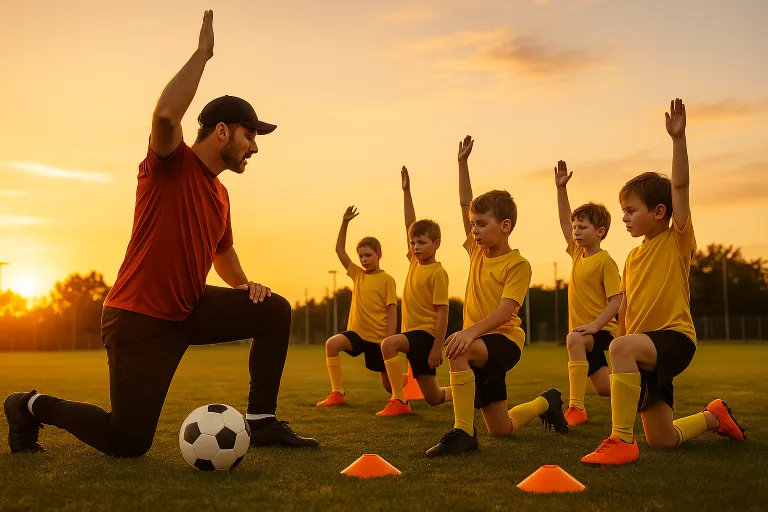
— Small-sided games (2v2 to 5v5)
— Maximizes touches, decisions, and fun.
— Use small goals or cones; rotate teams frequently.
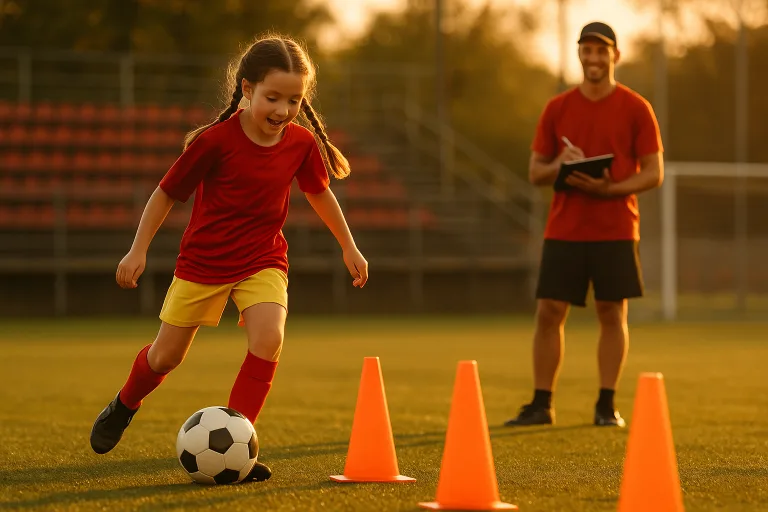
— Progressive technical drills
— Start unopposed, add passive defender, then full pressure.
— Examples: dribble through cones, one-touch passing within a square, mini gate finishing.
— Rondo (keep-away)
— 4v1 or 5v2 to develop quick passing, first touch, and vision.
— 1v1 finishing and defending
— Short sprint into a 1v1; rewards both attackers and defenders with realistic duels.
— Conditioned games
— Add simple rules to focus on target skills (e.g., “two-touch only” or “must complete three passes before shooting”).
— Progressive conditioning
— Age-appropriate fitness: fun agility ladders and shuttle runs for younger kids; structured strength and aerobic components for older groups.
— Technique under fatigue
— End sessions with simple technical tasks when tired to train focus and technique retention.
Sample weekly micro-plan (ages 9–12)
— Monday: Technical session (45–60 min) — dribbling, passing, first touch.
— Wednesday: Small-sided games + tactical shapes (60 min).
— Friday: Shooting + speed/agility (45 min).
— Saturday: Match or intra-club friendly (60–75 min).
— Keep at least one full rest day. Adjust for school and recovery.
Equipment essentials and safety
— Ball sizes: Size 3 (U8 and below), Size 4 (U9–U12), Size 5 (13+).
— Proper fitting cleats and shin guards.
— Water bottle, light training jacket for Balashikha weather, sunscreen in summer.
— First-aid basics for coaches/parents; warm-ups and cool-downs every session.
— Register with a coach who has youth coaching credentials when possible and ensures safe training loads.
Advice for parents (supportive, practical)
— Encourage effort, not just results. Praise improvements and attitude.
— Communicate with coaches: ask about progression goals, training load, and feedback.
— Keep sport varied: allow play with friends and multi-sport activity at early ages to reduce burnout and build coordination.
— Avoid over-specialization too early — intense single-sport focus before 12–13 increases injury and burnout risk.
— Manage expectations: playing time at club matches often rotates and depends on training attendance and attitude.
— Practical support: punctuality, ensuring proper kit, healthy snacks, and positive sideline behavior.
— Sideline etiquette: cheer positively, avoid instructing from the touchline, and let coaches coach.
— If scouting or trials arise, focus on readiness — being well-rested, eating a light meal, and having recent match footage or coach reference if available.
Preparing for tournaments in Balashikha
— Types: intra-club friendlies, municipal youth tournaments, weekend leagues, regional cups.
— Registration: check club newsletters, municipal sports pages, or ask local sports schools (DЮСШ) about upcoming events.
— Tournament checklist:
— Spare kit, shin guards, two balls, water/rehydration drink, healthy snacks, basic first-aid kit.
— Consent forms, ID or birth certificate if required.
— Extra layers for cold Russian weather and rain gear.
— Match day routine:
— Light warm-up 20–30 minutes before kick-off, including dynamic stretches and ball touches.
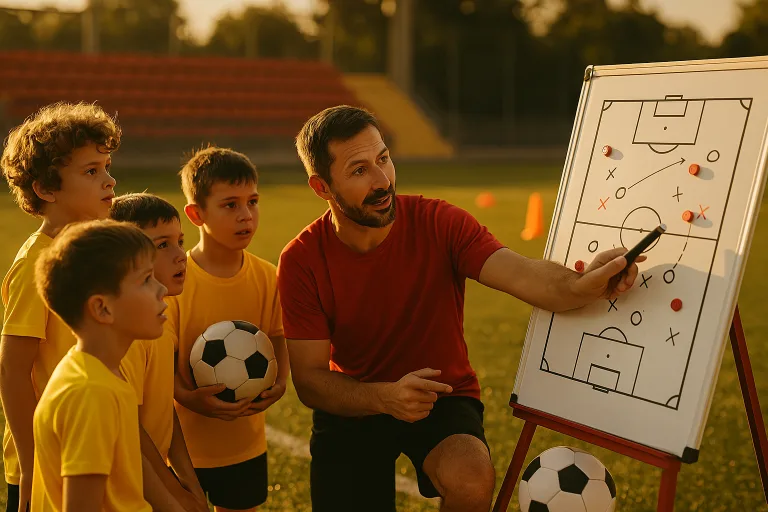
— Focus on team roles and brief tactical reminders from coach.
— Post-match cooldown: light jogging, stretching, and rehydration.
— Mental prep:
— Emphasize process goals (pass completion, effort) rather than scoreline.
— Teach kids simple pre-game rituals: breathing, visualization of one good action, positive self-talk.
Inspiring local-inspired success stories (composite examples)
Note: These are short, composite vignettes drawn from common positive trajectories seen in Balashikha youth pathways.
— «Sasha — From Park Kicks to Regional Squad»
— Started at age 6 playing in the local park; joined a municipal youth program at 8. Focused on ball skills, attended winter futsal sessions, and gradually earned a starting spot in the U13 city team by age 12 after consistent training and supportive coaching.
— «Masha — Late Starter Who Loved Goalkeeping»
— Began football at age 10 and tried multiple positions. A goalkeeper coach noticed her reflexes and attitude; with targeted training and small-sided match experience, she became the junior club keeper and went on to represent the district at a regional tournament.
— «Dima — Balanced Athlete»
— Played both football and hockey until age