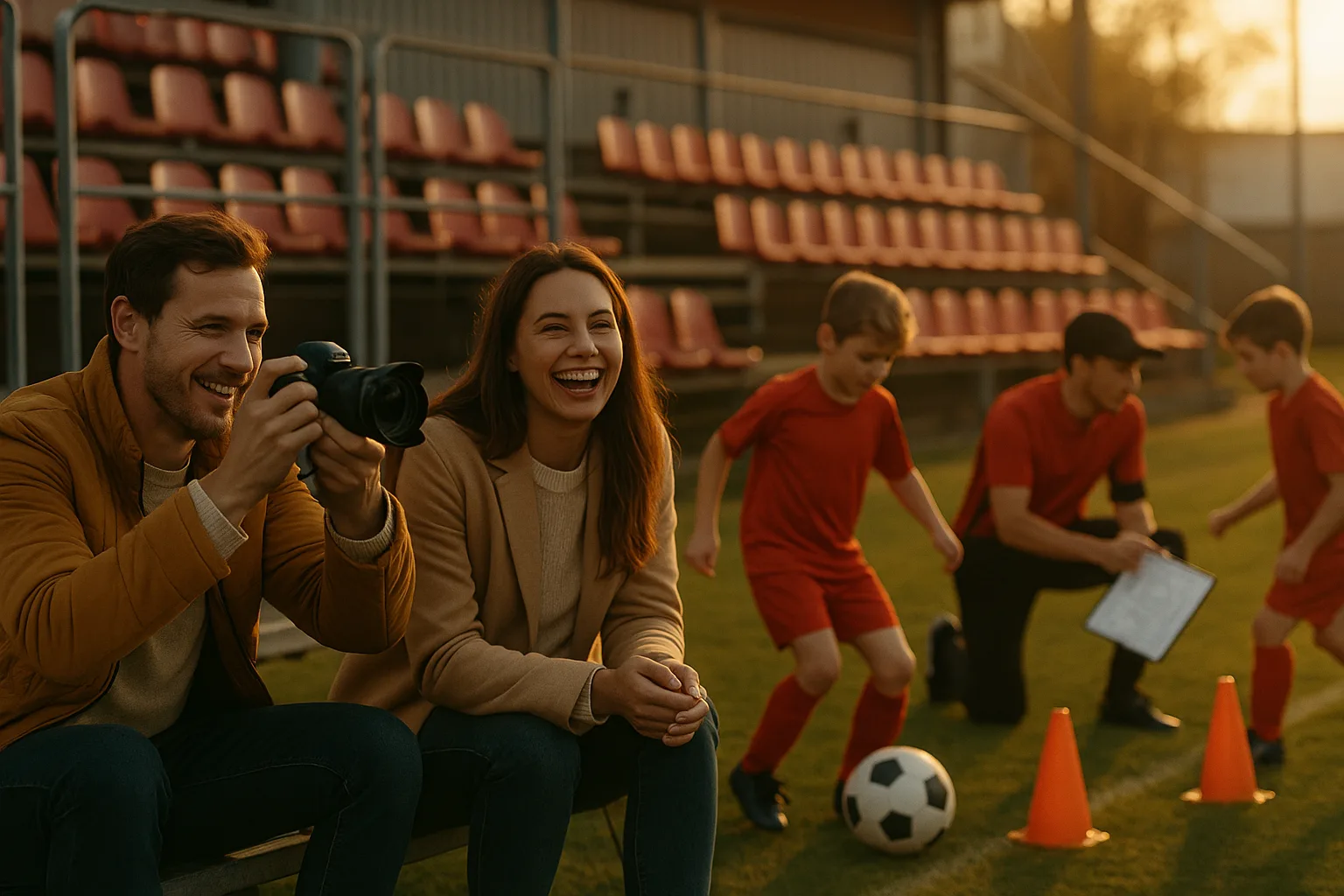
Growing Young Footballers in Balashikha: Training, Parent Advice, Tournaments, and Practical Tips for Ages 4–14
Introduction
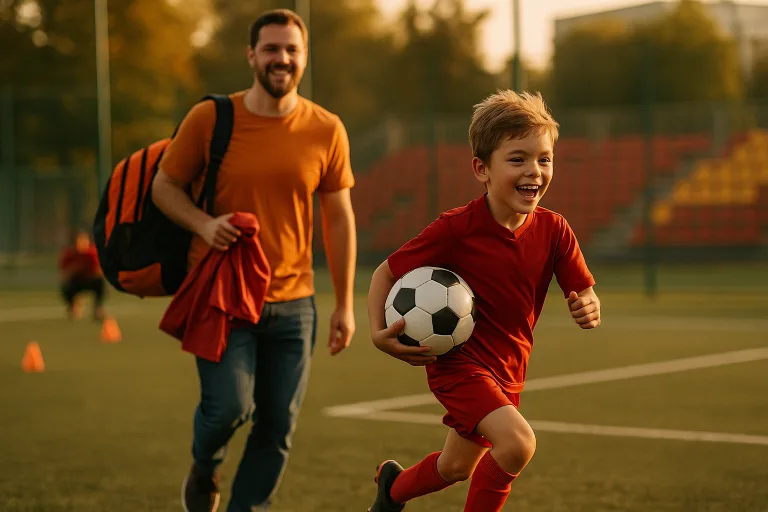
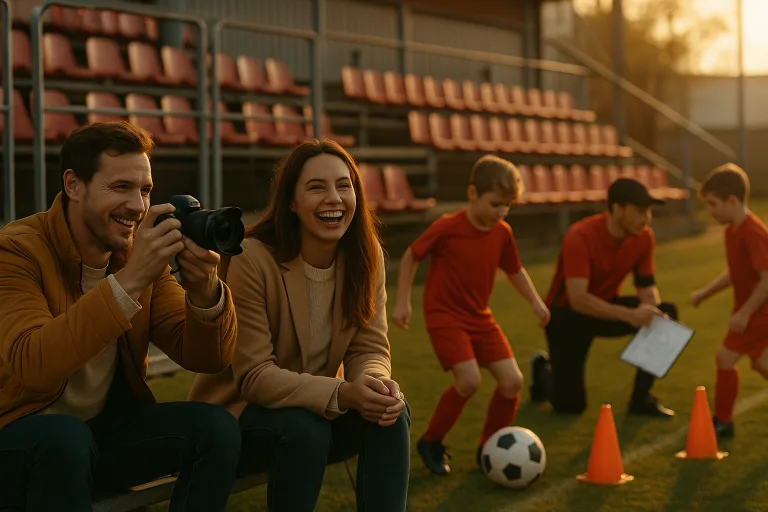
Football in Balashikha offers great opportunities for kids aged 4–14 to learn skills, make friends, and develop healthy habits. This guide gives practical training methods, advice for parents, an overview of tournament formats and seasonality in the Moscow region, inspiring (composite) success stories, and day-to-day tips you can use immediately.
Training methods by age group
Training should match a child’s physical and psychological development. Keep it fun, simple, and progressive.
— Ages 4–6 (play and basic motor skills)
— Focus: basic coordination, ball familiarity, short games.
— Session length: 30–40 minutes.
— Drills: tag games with a ball, gentle dribbling tasks, ball chasing, basic group games.
— Goal: cultivate love of the game and motor confidence.
— Ages 7–9 (technique and first team concepts)
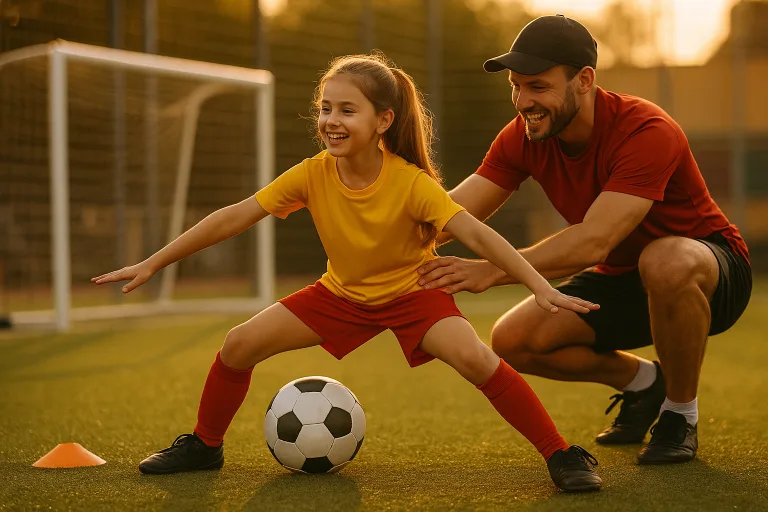
— Focus: ball control, dribbling, passing basics, small-sided games.
— Session length: 45–60 minutes.
— Drills: cone dribbling relays, 2v2 and 3v3 games, passing in pairs, basic finishing.
— Goal: repetition of core techniques in fun contexts.
— Ages 10–12 (tactics and decision-making)
— Focus: technique under pressure, spatial awareness, simple tactical patterns.
— Session length: 60–75 minutes.
— Drills: rondos (possession games), 4v4/5v5 small-sided games, positional drills, shooting sequences.
— Goal: faster decision-making and introduction to roles.
— Ages 13–14 (physical conditioning and specialization)
— Focus: speed, endurance, strength basics, tactical systems, positional development.
— Session length: 75–90 minutes (including warm-up and cooldown).
— Drills: interval runs, plyometrics appropriate for adolescents, tactical sessions, team set-pieces.
— Goal: prepare for competitive formats and higher training loads.
Weekly training plan (example)
— 2–3 team sessions (60–90 min) focusing on technique and tactics.
— 1–2 individual fun sessions at home (20–30 min): juggling, wall passes, dribbling.
— 1 match (weekend) or friendly/small-sided tournament.
— Rest days and good sleep included.
Simple drills you can do at home or park
— Cone slalom (dribbling) — 4–8 cones, timed sprints with ball.
— Wall passing — one-touch and two-touch passing to a rebound wall.
— 1v1 finishing — short build-up and shot on a mini-goal.
— Juggling challenge — daily goal for touches with both feet and thigh.
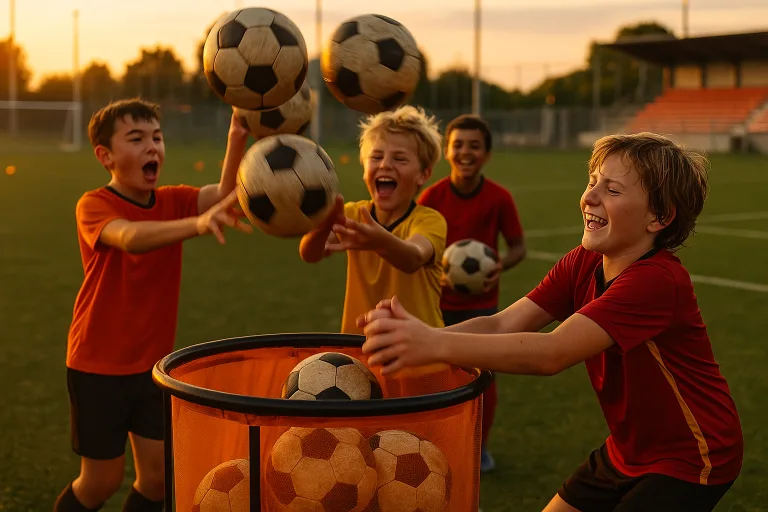
— Small goals possession game — 3v3 with mini-goals encourages creativity.
Advice for parents
Your role is crucial: support, not pressure.
— Encourage play over results: prioritize learning and effort.
— Communicate with coaches respectfully; ask about long-term development plans.
— Ensure balanced life: school, training, sleep (9–11 hours for younger kids), friends.
— Nutrition basics: regular balanced meals, hydration before/after training, snacks like fruit or yogurt.
— Safety and gear: proper boots/indoor shoes, shin guards, layered clothing for Russian seasons, helmet? (not needed in football).
— Avoid early specialization: let kids try different positions and sports until ~13 unless they choose otherwise.
— Emotional support: model good behavior (no sideline coaching that undermines coach), praise effort, not only outcomes.
Tournaments and competition in Balashikha / Moscow Oblast
Understanding formats helps parents and kids prepare.
— Common formats by age:
— Under 8–9: small-sided tournaments (3v3, 4v4, 5v5) — focus on touches and fun.
— Under 10–12: 7v7 or 8v8 — transition to team tactics.
— Under 13–14: 9v9 or 11v11 — closer to adult game.
— Futsal (indoor) is popular in winter — develops quick feet and passing.
— Seasonality:
— Outdoor season: spring–autumn (pitch conditions vary in early spring/late autumn).
— Indoor/futsal: autumn–spring; ideal for cold months in Balashikha.
— Where to look:
— Municipal ДЮСШ (детско-юношеская спортивная школа) and local football academies.
— Regional youth cups and league competitions in Московская область.
— Informal weekend festivals and center-organised mini-tournaments.
— Tournament prep tips:
— Arrive early for warm-up, know rotation/sub rules, bring spare kit and plenty of water.
— Focus on recovery: stretching, warm fluids/snacks (bananas), rest after matches.
— Learn from every match — short team debrief, not blame.
Inspiring success stories (composite examples and lessons)
Real local kids follow similar paths. These composite profiles show common elements that lead to success.
— From park player to regional team
— Story: A child who loved dribbling in the courtyard joined a municipal school at 8, practiced ball skills daily, and by 12 was selected for regional training camp.
— Key lessons: consistent fun practice, positive coach, exposure to small-sided games.
— The late bloomer who thrived after 12
— Story: A player who focused on athletics and football casually until 12, then specialized with structured training and improved rapidly.
— Key lessons: late development is normal — physical growth and tactical understanding accelerate in early teens.
— Futsal starter to technical leader
— Story: A youngster playing futsal through winter developed close control and vision, becoming a standout playmaker in