Growing Young Footballers in Balashikha: Practical Training, Parent Advice, Tournaments, and Inspiring Stories for Ages 4–14
Introduction
Balashikha is full of playgrounds, school fields, and community clubs where children can fall in love with football. This guide gives parents, coaches, and young players (ages 4–14) practical training methods, realistic tournament overviews, tips for preparation, and inspiring local-style success stories—so your child can progress safely and happily.
Why start here and now
— Early exposure builds coordination, social skills, and a love of the game.
— Balashikha’s proximity to Moscow region competitions and a network of municipal sports schools (ДЮСШ) gives motivated kids clear pathways to regional tournaments and specialized coaching.
— Age-appropriate training reduces burnout and injury risk.
Age-specific training methods
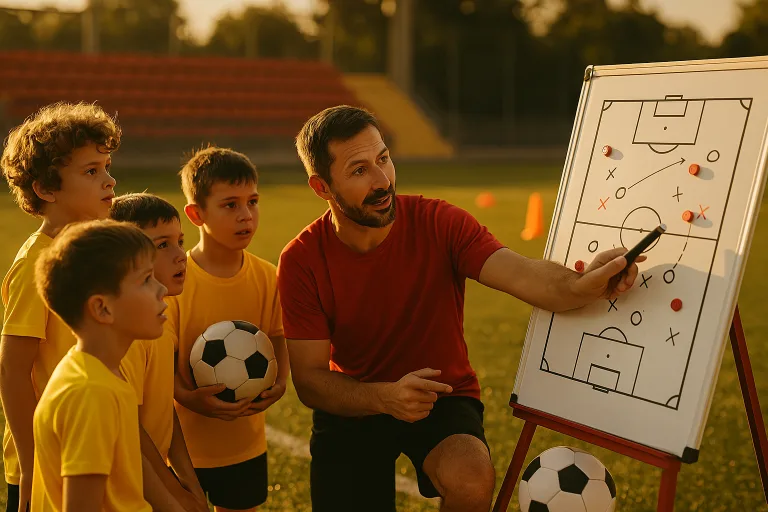
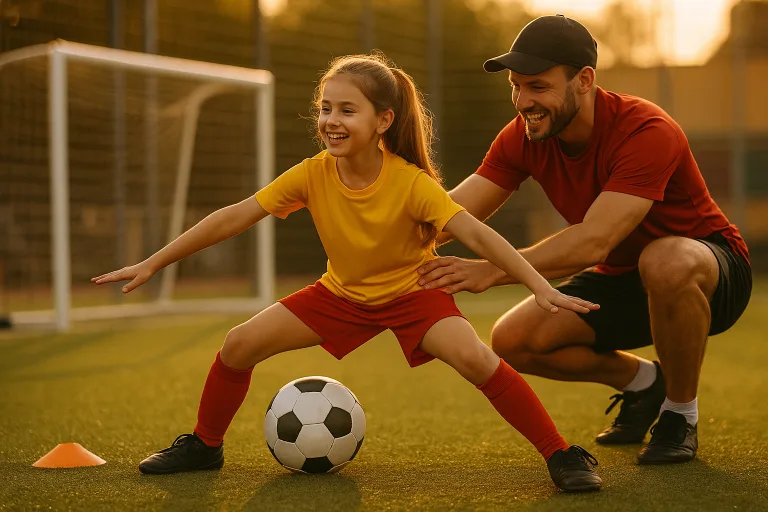
Tailor sessions to developmental stages. Keep sessions fun, short, and varied for younger kids; increase structure and tactical awareness for older children.
— Ages 4–6 (fun foundations)
— Session length: 30–40 minutes.
— Focus: basic movement, ball familiarity, simple games (tag with a ball, obstacle courses).
— Drill example: “Red light / Green light” with dribbling to train ball control and listening.
— Ages 7–9 (skill building)
— Session length: 45–60 minutes.
— Focus: dribbling, short passing, first touch, basic coordination and spatial awareness.
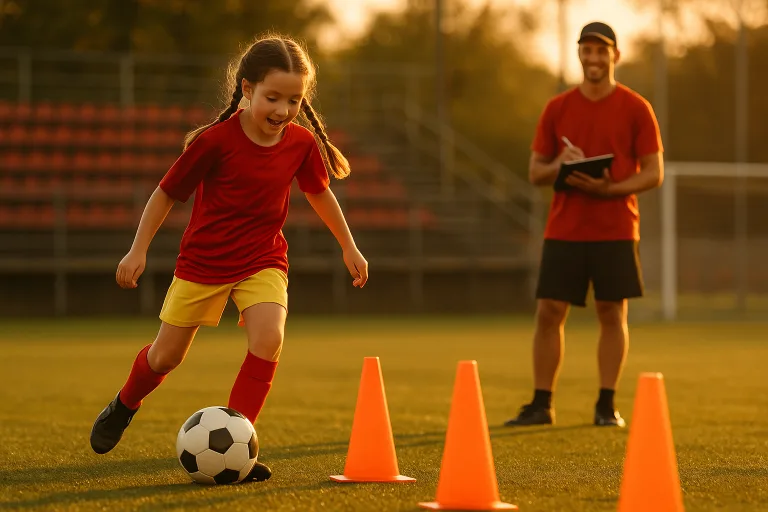
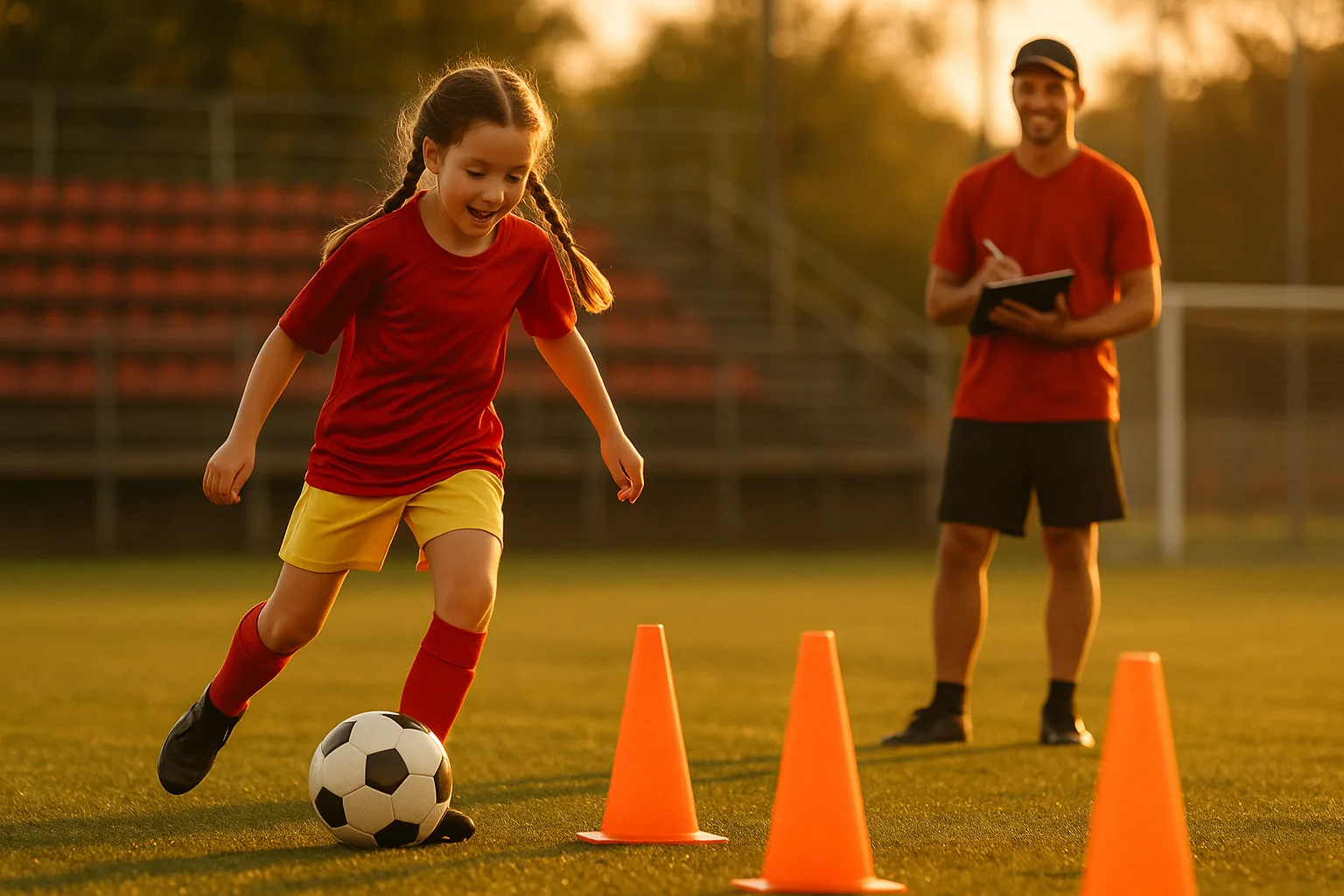
— Drill example: Cone slalom (dribble with both feet) + small-sided 3v3 games for decision-making.
— Ages 10–12 (technique + simple tactics)
— Session length: 60–75 minutes.
— Focus: refined passing, shooting technique, positioning, basic team shape.
— Drill example: Rondo variations (3v1 to 5v2) for quick passing and pressure handling.
— Ages 13–14 (physical development + tactical IQ)
— Session length: 75–90 minutes.
— Focus: tactical drills, game intelligence, speed and agility work, strength (bodyweight).
— Drill example: Small-sided tactical scenarios (outnumbered attack/defense, transition play).
Weekly training plan (example)
— 2–3 coached sessions/week (60–90 min each), age-dependent.
— 1 optional fun practice or futsal session to improve close control.
— 1 match or scrimmage on weekends.
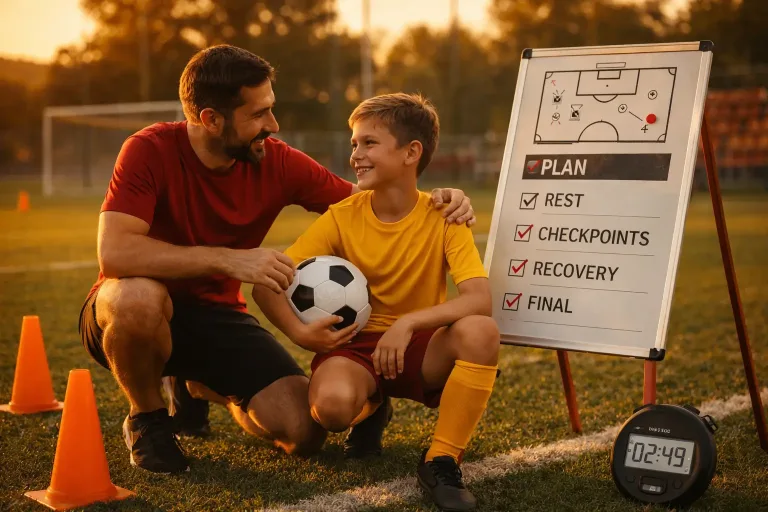
— 1–2 rest/recovery days with light activity (swimming, cycling, stretching).
Simple drills you can do at home or on the local field
— 5-minute touch challenge: count how many touches in 60 seconds with right/left foot.
— Passing wall: use a small target on a wall to practice weighted passes.
— Dribble and stop: dribble for 10 meters, perform a sudden stop and change direction—improves control.
— Shooting spots: place cones in goal corners and practice hitting target areas.
Tournament overview in Balashikha and nearby areas
— Types of events
— Municipal league matches (school and ДЮСШ competitions).
— Friendly tournaments and festivals run by local clubs.
— Regional cups and Moscow-region youth championships for higher levels.
— Indoor winter futsal leagues—excellent for touch and quick play.
— What to expect
— Younger age groups play small-sided formats (3v3, 5v5).
— Games often prioritize participation and development; competitive selection intensifies at U12–U14.
— Logistics: local tournaments are usually one- or two-day events; regional events may require travel.
— How to find tournaments
— Follow Balashikha municipal sports pages, local club social media, schools, and parent groups.
— Speak with coaches at local ДЮСШ or community sports centers.
Preparing for tournaments: checklist
— Physical
— Regular sleep the week prior, last light training 48 hours before tournament.
— Hydration and carbohydrate-focused meals the day before and morning of matches.
— Equipment
— Proper boots, shin guards, spare socks, water bottle, light jacket.
— Small medical kit and blister plasters.
— Mental & tactical
— Walk through roles and basic match plan with coach.
— Encourage a routine: warm-up, breathing, simple visualization.
— Day-of tips
— Arrive early, warm up together, keep snacks small and familiar.
— Emphasize positive language and focus on effort, not only the result.
Advice for parents
— Support, don’t pressure
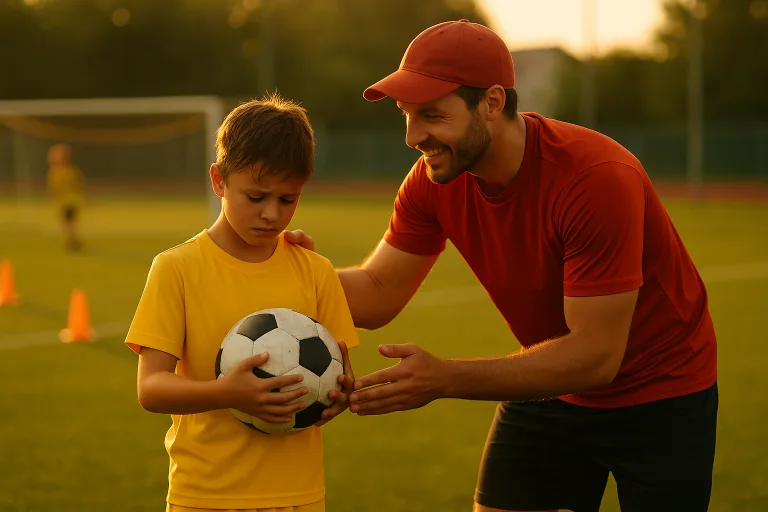
— Praise effort, good decisions, and teamwork. Avoid criticizing mistakes publicly.
— Consistency over intensity
— Encourage regular training and rest; avoid over-scheduling multiple weekend tournaments back-to-back.
— Communicate with coaches
— Ask about session goals, expectations, and individual development plans.
— Practical logistics
— Help with registration, transportation, and proper nutrition; let the child manage their warm-up when appropriate.
— Emotional support
— Teach coping skills for setbacks; normalize being nervous and encourage reflection after games.
— Safety and health
— Know basic first aid, track injuries, and prioritize medical checkups when needed.
Injury prevention & nutrition
— Warm up thoroughly (10–15 minutes) with dynamic movement and ball work.
— Emphasize balanced meals: carbohydrates for energy, protein for recovery, fruits/veg for vitamins.
— Encourage hydration habits, especially during summer and indoor winter competitions.
— For 12+, introduce bodyweight strength (planks, lunges) and mobility exercises twice weekly.
Inspiring local-style success stories (composite examples)
These short profiles are composite portraits based on typical Balashikha pathways—use them as inspiration, not guarantees.
— Misha — From playground to city team
— Started at age 6 with neighborhood dribbling games. Joined a municipal sports school at 8, focused on ball control and small-sided matches, and by 12 earned a spot on a stronger regional squad through consistent