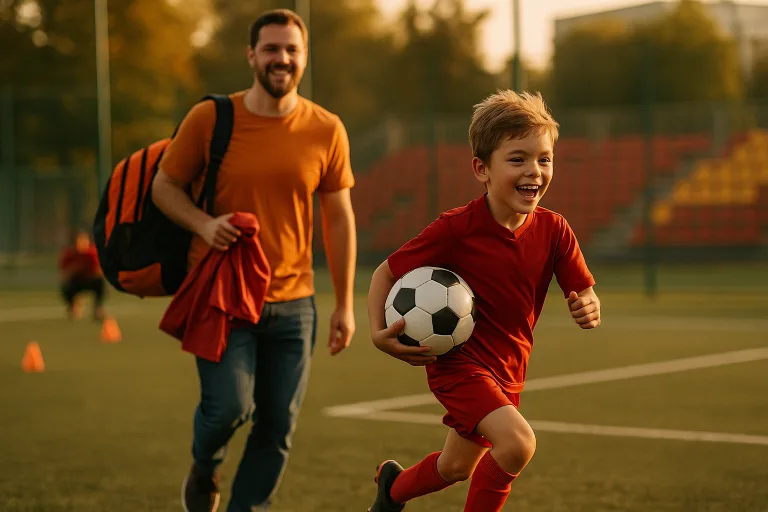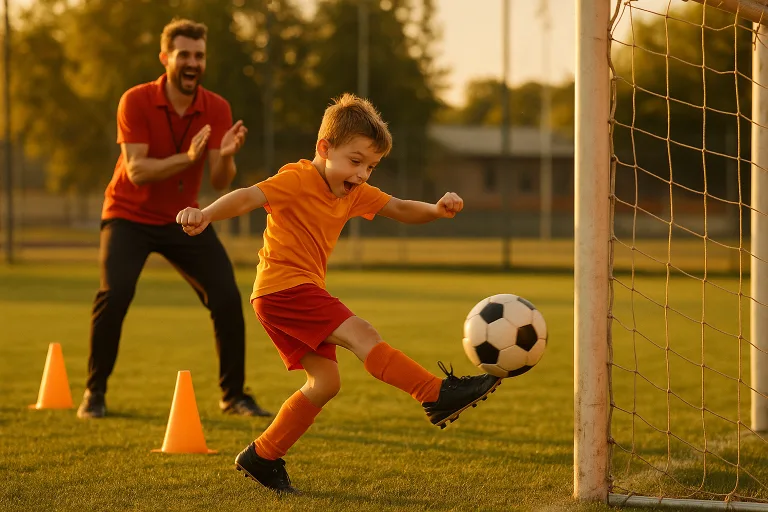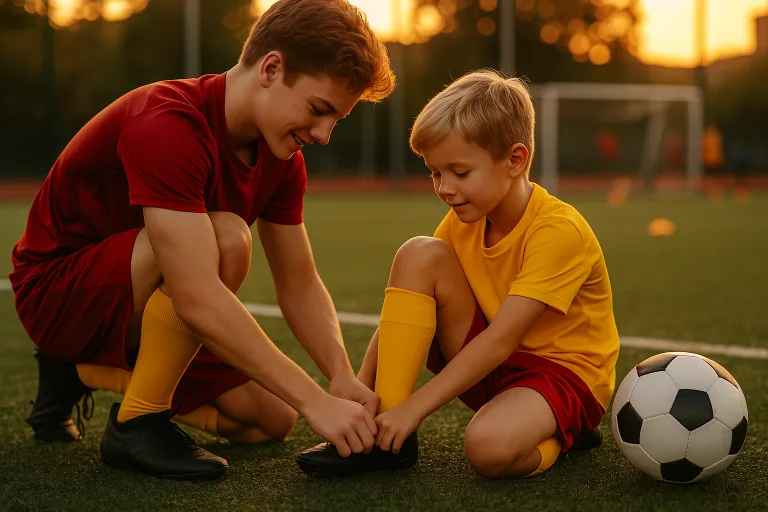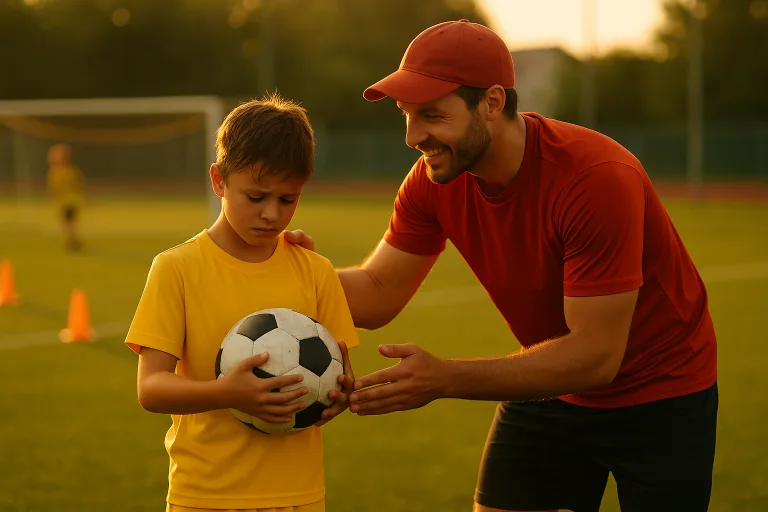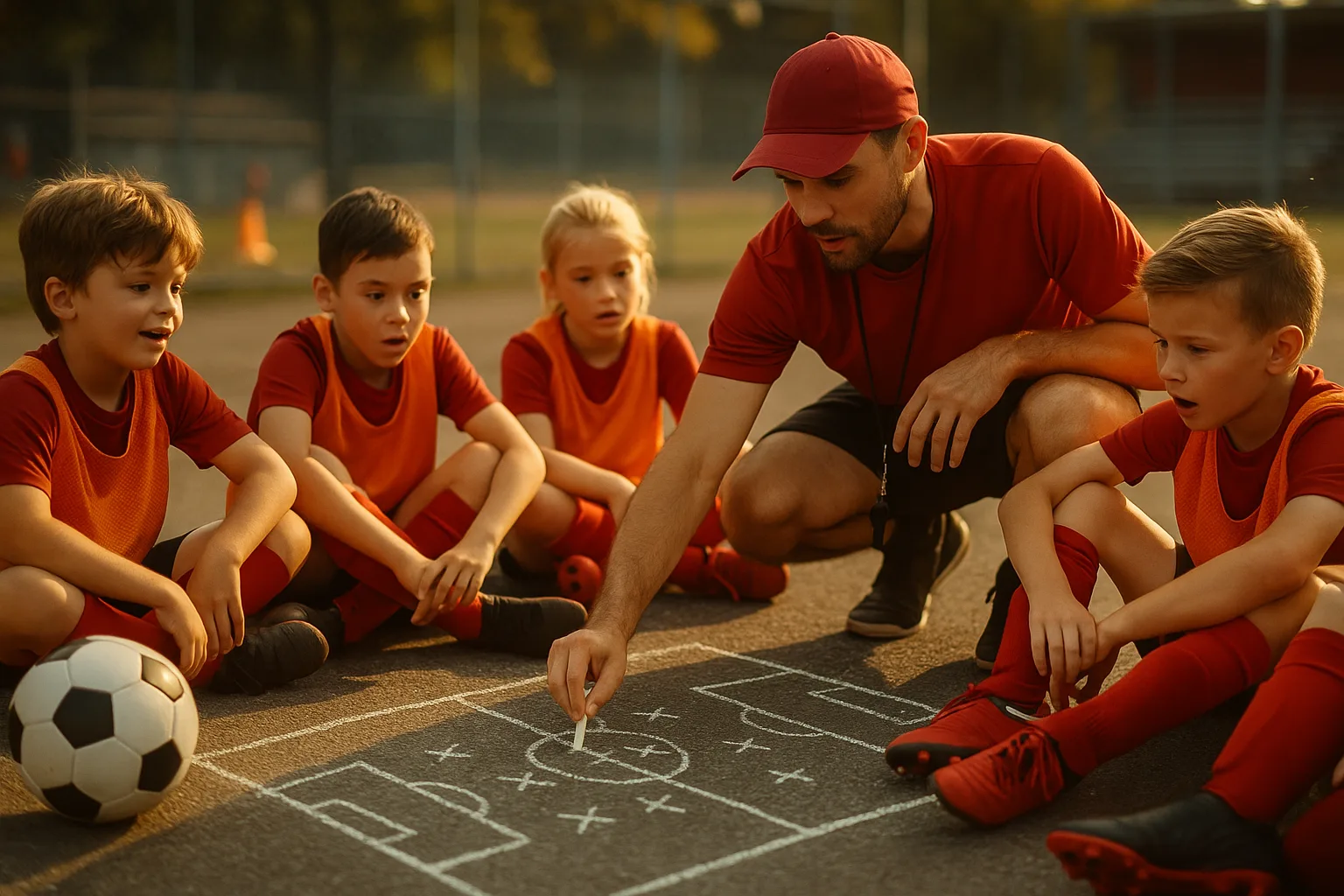
Growing Young Champions in Balashikha: Training, Parent Advice, Tournaments and Practical Tips for Footballers Aged 4–14
Introduction
Balashikha and the Moscow region are full of energy and opportunities for young footballers. Whether your child is taking their first steps with a ball or preparing for regional tournaments, this guide brings together practical training methods, tips for parents, an overview of local competition pathways, and short inspiring success stories to motivate kids aged 4–14.
Training Methods by Age
Training should match a child’s physical, cognitive and emotional development. Below are proven approaches for each age group.
— Ages 4–6 (Play and motor skills)
— Emphasize fun, ball familiarity and basic coordination.
— Games: “Red Light/Green Light” with dribbling, tag, obstacle courses.
— Focus: balance, running mechanics, basic kicking, short attention spans (15–25 minutes).
— Ages 7–9 (Skill acquisition)
— Teach fundamental techniques: passing, receiving, basic dribbling, simple shooting.
— Use repetition through varied drills to maintain interest.
— Games: small-sided 3v3 to maximize touches and decision-making.
— Session length: 45–60 minutes.
— Ages 10–12 (Tactical introduction + physical literacy)
— Introduce simple tactics: positioning, basic team shape, transition play.
— Include agility, coordination and light strength work (bodyweight).
— Mix technical drills, tactical patterns and conditioned games (e.g., 5v5).
— Ages 13–14 (Specialization & competitive prep)
— Increase tactical complexity and physical training (endurance, speed work).
— Begin position-specific skills and structured set-piece training.
— Emphasize recovery, nutrition and injury prevention.
Practical Drills and Weekly Structure
A sample weekly micro-plan for young players (2–4 sessions/week):
— Session A (Technical) — 60 min: warm-up, 20 min passing/dribbling circuits, 20 min shooting, 10 min fun finishing games.
— Session B (Tactical/Small-sided) — 60–75 min: warm-up, 30 min 3v3–5v5 games, 20 min situational drills (attacking/defending), cool-down.
— Optional Session C (Physical/Individual skills) — 45 min: speed/agility ladder, ball mastery, weak-foot practice.
— Match Day — Emphasize warm-up, hydration, and positive team talk.
Useful drills:
— Ball masteries: sole taps, inside-outside touches, toe-touches (5–10 min).
— Passing triangles: three players, quick one-touch combinations.
— Gate-dribbling: dribble through small gates for close control.
— 2v1 and 3v2 drills: teach decision-making under pressure.
Advice for Parents (What Helps Kids Thrive)
— Prioritize fun and emotional support over early specialization.
— Encourage effort not just results: praise hard work, progress and teamwork.
— Keep practices consistent but avoid overtraining—rest is as important as practice.
— Communicate with coaches: ask about objectives, training load and child’s role.
— Focus on whole-child development: school, sleep, friends and hobbies matter.
— If seeking tryouts or higher-level training, research coaches’ qualifications and ask for references.
— For injuries: stop play, seek medical advice, follow rehabilitation—do not rush return.
Tournaments and Competitive Pathways in Balashikha
Local competition opportunities typically include:
— Municipal and district youth leagues run through Детско-юношеская спортивная школа (ДЮСШ) and community sports centers.
— City cup tournaments and friendly festivals hosted by clubs and schools in Balashikha and neighbouring Moscow suburbs.
— Regional Moscow Oblast youth championships for select teams who qualify.
How to get involved:
— Search for “футбол Балашиха ДЮСШ”, contact local sports departments (отдел физической культуры и спорта Балашихи), or visit community sports complexes.
— Attend open trainings and friendly matches to assess club fit.
— Ensure player registration and parental consent forms are completed before tournaments.
What to expect in tournaments:
— Emphasis on development categories (short match durations, small-sided games).
— Rotations and equal playtime are common in younger ages; confirm match policies with organizers.
Inspiring Success Stories (Local-style vignettes)
— Sasha, 9 — From Playground to Club: Sasha started with 15-minute ball games at the local park. By practicing ball masteries daily and joining a community training session in Balashikha, he earned a spot on his local 7v7 team within a year and now loves representing his club in city festivals.
— Dasha, 12 — Perseverance Pays: After being cut from the school team, Dasha worked on her weak foot and positioning through extra solo sessions and small-group practices. Within a season she became a reliable midfielder and was recommended to a stronger regional youth squad.
— Timur, 14 — Balanced Approach: Timur combined club training with school commitments, prioritizing recovery and academics. A steady improvement in decision-making and fitness led to selection for a regional tournament squad, showing that discipline and balance produce results.
(These stories are composite examples based on common success paths for young players.)
Gear, Nutrition and Safety
— Essential gear: age-appropriate ball size (size 3 for 4–8, size 4 for 9–11, size 5 for 12+), shin guards, boots with proper studs, comfortable training clothes.
— Hydration: water before practice, small sips during, and rehydration after — avoid sugary sodas during matches.
— Nutrition: balanced meals with carbs for energy (whole grains, potatoes), lean proteins, fruits/vegetables. For young kids, focus on regular family meals rather than supplements.
— Injury prevention: warm-up, cool-down, mobility work, balanced training load, and proper footwear. Consult a doctor for persistent pain.
Coaching & Finding the Right Club in Balashikha
— Look for coaches who prioritize child development, have coaching certifications, and communicate clearly with parents.
— Visit several clubs and