Growing Champions in Balashikha: Training Methods, Parent Advice, Tournaments, Success Stories, and Practical Tips for Kids (4–14)
Introduction
Football for kids in Balashikha should be fun, safe, and skill-focused. This guide covers age-appropriate training methods, advice for parents, a quick overview of local tournament opportunities, inspiring young-player stories from the area (composite examples), and practical tips parents and coaches can use right away.
Age-appropriate training methods
Training should match physical and cognitive development. Keep sessions short, varied, and game-like for younger children; increase structure and tactical awareness for older kids.
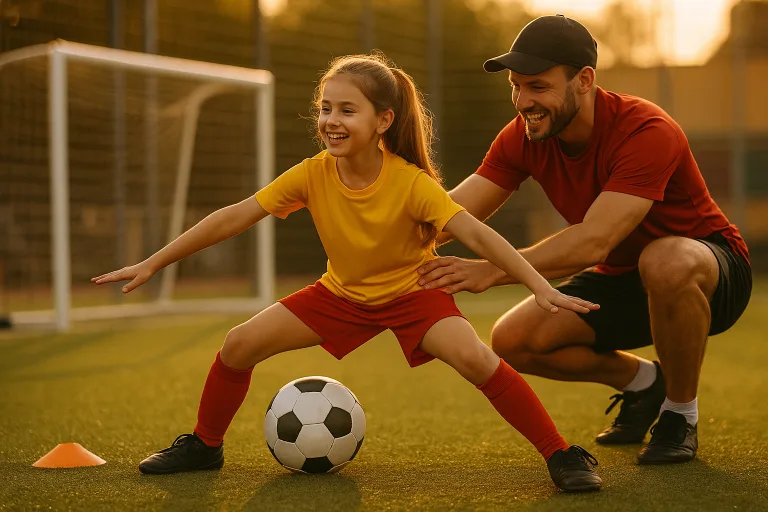
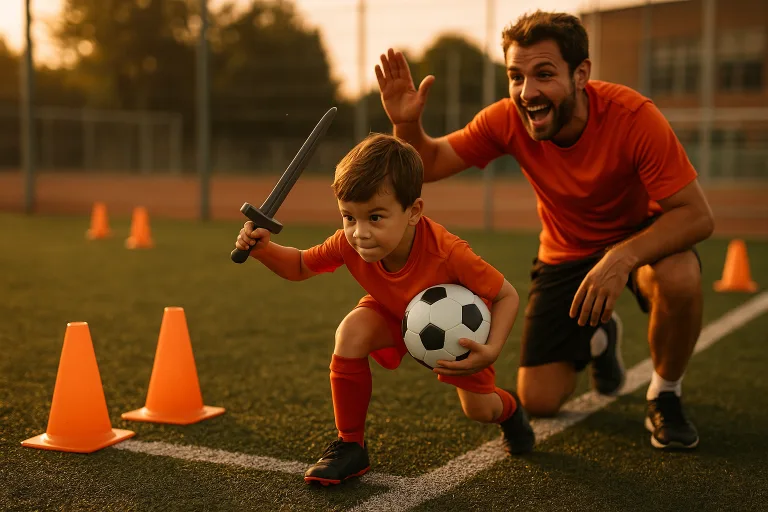
— Ages 4–6 (fun & fundamentals)
— Focus: ball familiarity, coordination, basic balance, spatial awareness.
— Session length: 30–40 minutes, 1–2 times/week.
— Methods: play-based drills, simple relay races, “follow the leader” dribbling, lots of small-sided free play.
— Ages 7–9 (technique & first tactics)
— Focus: passing, receiving, dribbling, basic positioning.
— Session length: 45–60 minutes, 2–3 times/week.
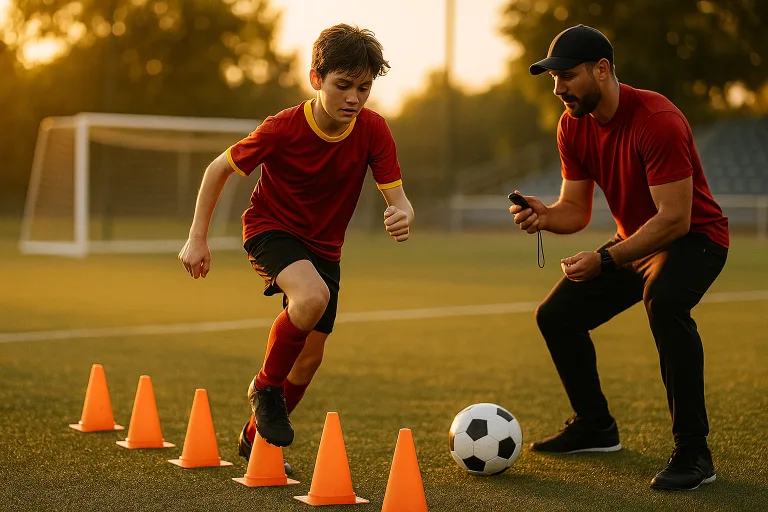
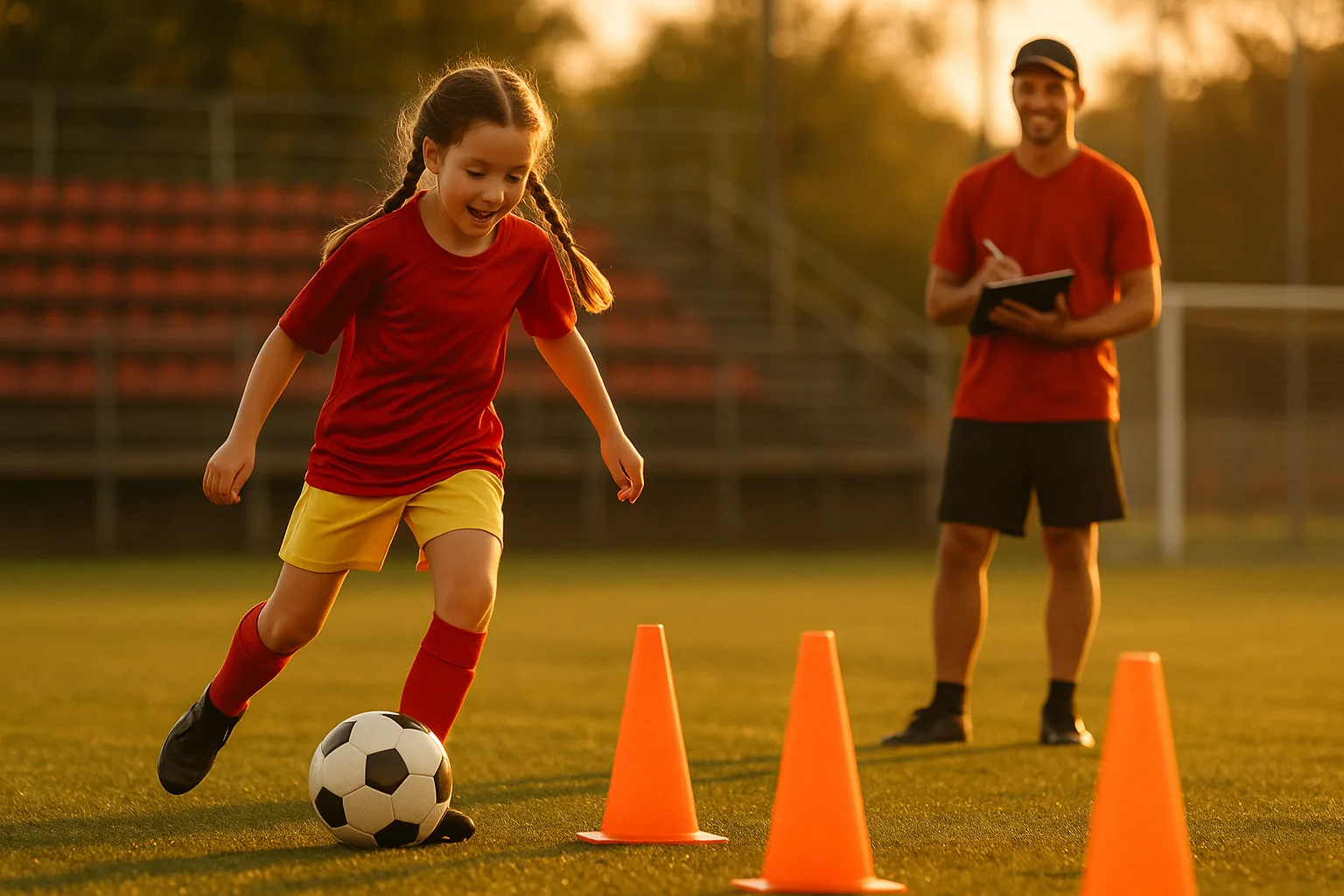
— Methods: technical repetitions with a ball, 3v3 or 4v4 games, finishing drills, cone drills for close control.
— Ages 10–14 (skill refinement & tactics)
— Focus: first touch, passing under pressure, shooting technique, movement off the ball, teamwork.
— Session length: 60–90 minutes, 3–5 times/week.
— Methods: position-specific work, video analysis (short clips), conditioned games (e.g., 5v5 with target players), physical conditioning appropriate to age.
Sample weekly plan (by age group)
— 4–6:
— Mon: 30 min playful dribbling + games
— Thu: 30 min ball control + mini-matches
— 7–9:
— Tue: 45 min technical (passing/receiving) + small-sided match
— Fri: 45 min dribbling + finishing
— Sat: optional scrimmage or school PE match
— 10–14:
— Mon: 60 min technique + 1v1/2v2 drills
— Wed: 75 min tactical session + set pieces
— Fri: 60 min speed/agility + shooting
— Sun: full or small-sided match
Practical drills you can do at home or in the park
— Ball mastery circuit: 30 seconds each — inside touches, outside touches, sole rolls, toe taps.
— Passing line: partners pass and move, one-touch back on cue.
— 1v1 cone challenge: set a 5x8m zone; attacker tries to dribble past defender in 20 seconds.
— Shooting progression: aim at target areas rather than power; focus on body over ball and follow-through.
— Reaction and coordination: parent calls left/right/forward and child reacts with a sprint or dribble.
Advice for parents
— Prioritize enjoyment: long-term progress comes from consistent, joyful practice.
— Choose the right coach/club:
— Look for coaches with youth experience, positive feedback, and emphasis on development over winning.
— Good signs: structured sessions, individual feedback, child-focused communication.
— Avoid overloading: no more than 3–5 quality sessions per week for school-aged kids; allow rest days.
— Nutrition & sleep: balanced meals, hydration, and 9–11 hours sleep for younger kids.
— Equipment: suitable-sized ball (size 3 for 4–8, size 4 for 9–12, size 5 for 13+), shin guards, studs or turf shoes as needed.
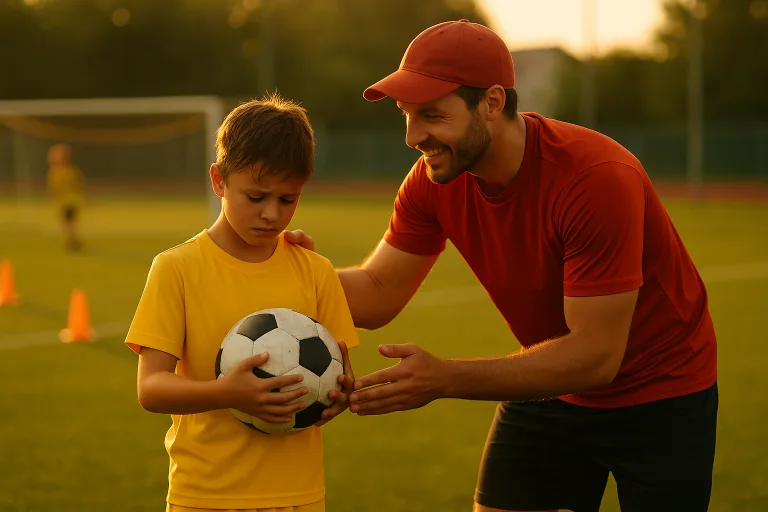
— Emotional support: praise effort and progress, not just goals or results. Teach resilience after losses.
— Manage screen time: replace some passive time with active ball skills or simple fitness challenges.
Tournament & competition overview (Balashikha area)
— Types of competitions to expect:
— Municipal youth leagues and school tournaments (spring–autumn).
— Indoor futsal competitions in winter (common in Moscow region).
— Regional Moscow Oblast youth championships organized through local sports schools and the Football Federation of Moscow Oblast (Федерация футбола Московской области).
— Friendly cups and mini-tournaments hosted by academies.
— How to find tournaments:
— Contact local ДЮСШ (youth sports schools), municipal sports department of Balashikha, or local football academies.
— Follow community pages and the regional football federation for calendars and registration details.
— Tournament preparation checklist:
— Confirm kit, boots, water bottle, spare socks.
— Ensure a light warm-up and dynamic stretches 20–30 minutes before kickoff.
— Bring snacks (bananas, sandwiches) and a recovery plan (rest, hydration).
— Set expectations: focus on learning and team play rather than individual accolades.
How to prepare kids mentally and physically for matches
— Simulate match conditions in training (short scrimmages).
— Teach simple match routines: pre-match warm-up, half-time hydration, basic tactical roles.
— Use visualization: ask the child to imagine successful plays (for older kids, 10+).
— Keep feedback specific and calm after matches — two positives, one area to work on.
Inspiring local success stories (composite examples)
Note: These are representative, anonymized stories inspired by young players from the Balashikha/Moscow region to illustrate possible pathways.
— Misha (age 11) — From park games to DYuSSh starter
— Started with casual games in the local park at 6. Consistent practice with a size-3 ball, weekly school club, and supportive parents led to entrance trials and a DYuSSh place at 9. Keeps focus