Growing Football Stars in Balashikha: Training, Parents’ Guide, Tournaments & Success Stories
Introduction
Balashikha has a lively youth-sport scene and plenty of room for children aged 4–14 to fall in love with football. This article gives practical training methods, clear advice for parents, a simple tournament overview, inspiring local-style success stories, and hands‑on tips for kids learning the game.
Training methods by age group
Focus changes as a child grows. Below are age-specific goals and recommended training structure.
— Ages 4–6 (Foundation and fun)
— Goals: coordination, basic ball contact, enjoyment.
— Sessions: 30–45 minutes, 2–3 times/week.
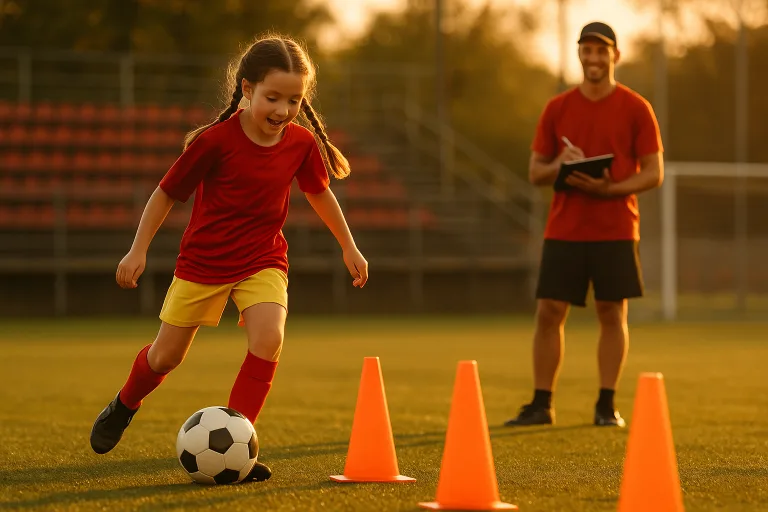
— Methods: short games, dribbling through cones, “follow the leader”, ball familiarization with both feet.
— Ages 7–9 (Technique and game basics)
— Goals: basic technique (pass, trap, shoot), spatial awareness, team rules.
— Sessions: 45–60 minutes, 2–3 times/week + one small-sided match if possible.
— Methods: repetition of simple drills, 3v3 or 4v4 small-sided games, fun challenges (dribble relays, passing accuracy).
— Ages 10–12 (Tactical understanding and physical development)
— Goals: first touch, passing under pressure, positional basics, speed/agility.
— Sessions: 60–90 minutes, 3 times/week + weekend matches.
— Methods: condition games (e.g., possession with targets), skill circuits, 7v7 or 9v9 matches.
— Ages 13–14 (Refinement and competition)
— Goals: tactical roles, decision-making, strength and conditioning, mental resilience.
— Sessions: 90 minutes, 3–4 times/week + regular competitive matches.
— Methods: position-specific drills, set-piece practice, targeted physical training (bodyweight, sprint work), video review.
Weekly sample microplans
— Beginner week (7–9): 2 technical sessions (dribbling, passing), 1 fun match, light agility work at home.
— Intermediate week (10–12): 2 technical-tactical sessions, 1 strength/mobility session, 1 match.
— Competitive week (13–14): 3 technical/tactical sessions, 1 strength session, match day, recovery session.
Drills and exercises (practical)
— Ball mastery: 5 minutes daily — toe taps, inside/outside touches, pull-push.
— Dribbling circuit: cones in a line and slalom; vary speed and use weak foot.
— Passing triangle: three players, one-touch/pass-and-move.
— 4v4 possession box: encourage quick decisions under pressure.
— Shooting drill: finish from different angles; emphasize technique over power for younger kids.
— Agility ladder: coordination and quick feet (10 minutes twice weekly).
Advice for parents
— Keep it fun and process-focused. Praise effort, not only goals.
— Balance: allow other sports to develop all-round athleticism and reduce burnout.
— Communicate with coaches respectfully: ask about goals, playing time policy, and development plan.
— Avoid early specialization pressure; long-term development beats short-term wins.
— Nutrition & sleep: regular meals, hydrating before/after training, 8–10 hours of sleep depending on age.
— Equipment: proper boots, shin guards, appropriate ball size (see below), comfortable training clothes.
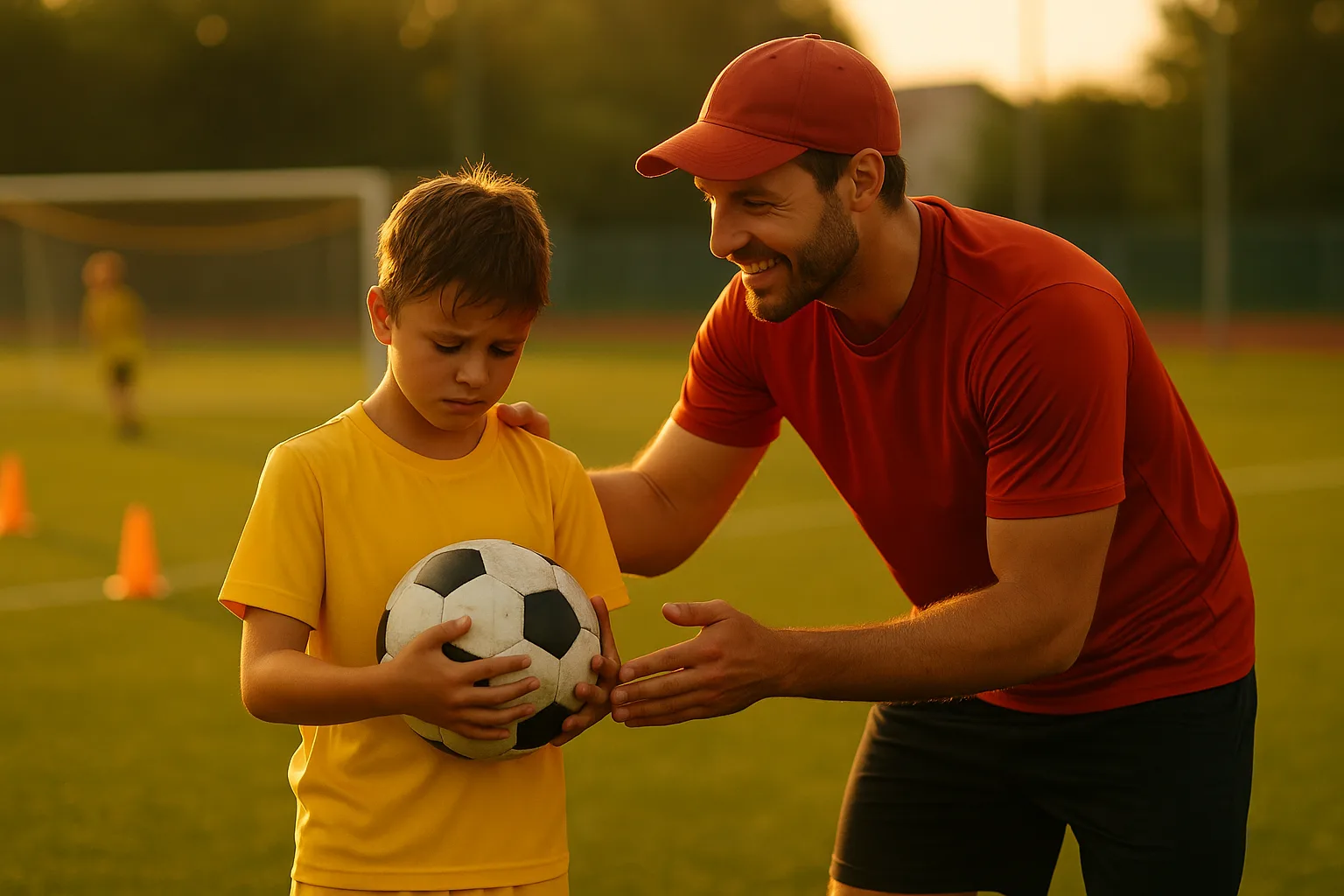
— Emotional support: teach coping skills for wins/losses — focus on learning from mistakes.
— Logistics: help with warm-up routines and ensure timely arrival; but let kids handle on-field responsibilities.
Tournament overview and preparation
What to expect at local/regional youth tournaments:
— Formats: 3v3, 5v5, 7v7, 9v9 or 11v11 depending on age; short matches in group stage and knockout.
— Rules: rolling subs are common; referees may be volunteers; fair play emphasized.
— Ball sizes: Size 3 for ages 4–8, Size 4 for ages 9–12, Size 5 for ages 13+.
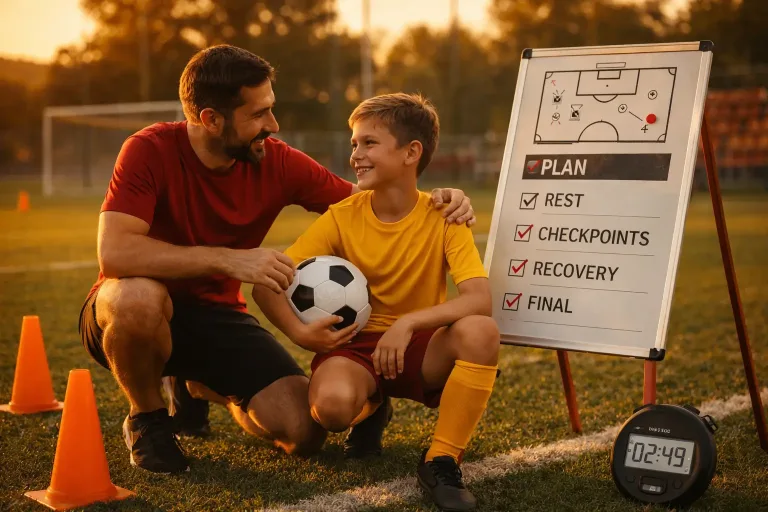
Preparation checklist:
— Arrive early for warm-up (dynamic stretching, ball touches).
— Bring spare kit, extra socks, water, snacks (bananas, sandwiches), and a small first-aid kit.
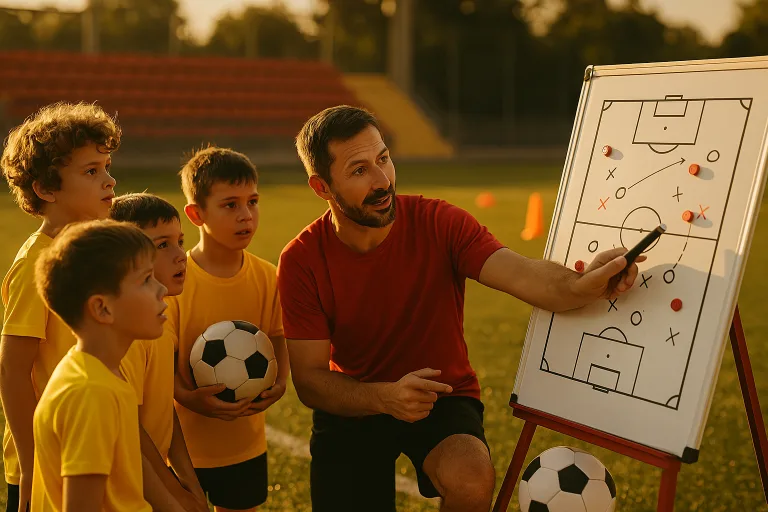
— Talk through roles and match plan with the coach; keep instructions simple for younger kids.
— After the match: cool down, hydrate, brief positive debrief focusing on two things done well and one area to improve.
Inspiring success stories (local-style examples)
Below are realistic, anonymized vignettes based on common pathways from Balashikha’s youth scene:
— “Misha” — started at 6 in a local ДЮСШ (youth sports school). Focused on ball mastery and playing multiple positions. By age 12 he joined a regional selection for Moscow Oblast and was invited to trial at an academy. Key factors: consistent practice, supportive parents who prioritized fun, and playing many small-sided games.
— “Polina” — played street football with friends before joining a school program at 8. Excelled in technical drills and leadership. Coaches recommended a summer training camp in Moscow where she improved tactical awareness. At 14 she captained her club team and received attention from a regional coach. Key factors: resilience, coachable attitude, cross-training in athletics for speed.
— “Anton” — almost quit at 9 due to poor playing time. Parent and