Young Football in Balashikha: Training, Parent Advice, Tournaments, Success Stories, and Practical Tips for Ages 4–14
Introduction
Balashikha and the wider Moscow Oblast have a growing youth football scene. Whether your child is starting at age 4 or aiming to make regional teams at 14, this guide gives practical training methods, clear advice for parents, an overview of local tournament pathways, inspiring (anonymized) success stories, and age-specific tips you can use right away.
Training methods by age group
Focus, intensity, and objectives change as children grow. Below are developmentally appropriate methods and examples.
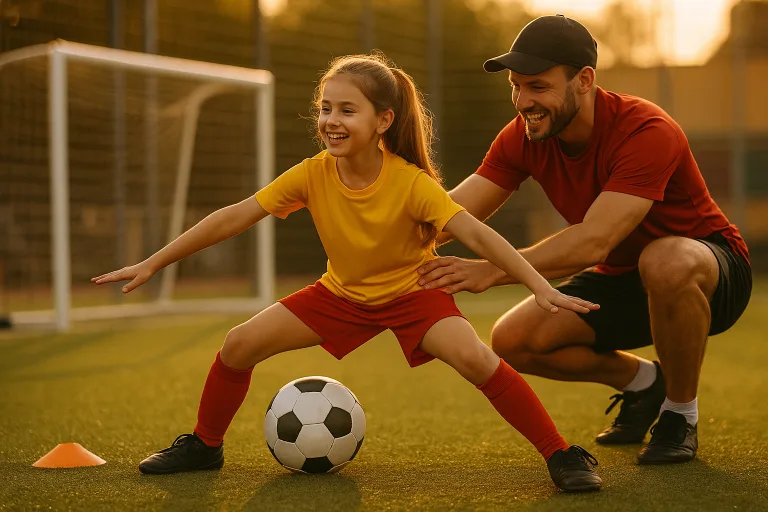
Ages 4–6: Playful foundation
— Goal: Develop motor skills, coordination, basic ball familiarity.
— Methods:
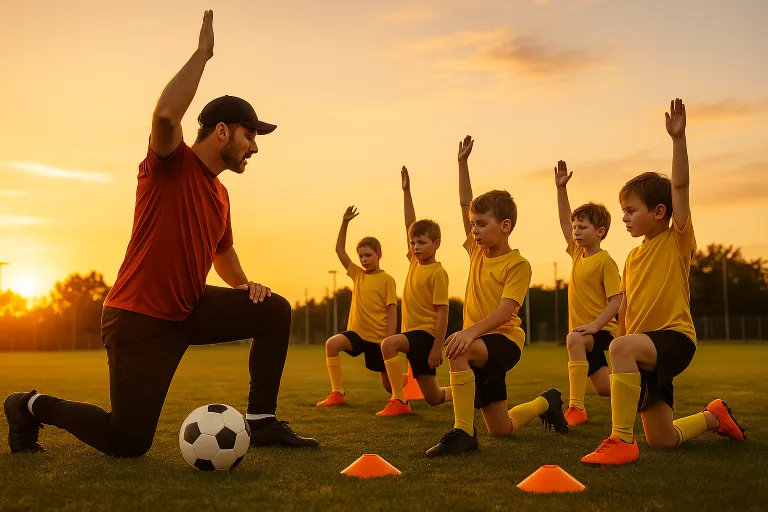
— Short sessions (20–30 minutes) with lots of play and variety.
— Games: Red light/green light with a ball, tag while dribbling, mini-goals (1–2m) for shooting fun.
— Use colorful cones, small balls, and positive reinforcement.
— Frequency: 2–3 short sessions per week + free play.
Ages 7–9: Skill building and simple tactics
— Goal: Ball control, passing basics, spatial awareness.
— Methods:
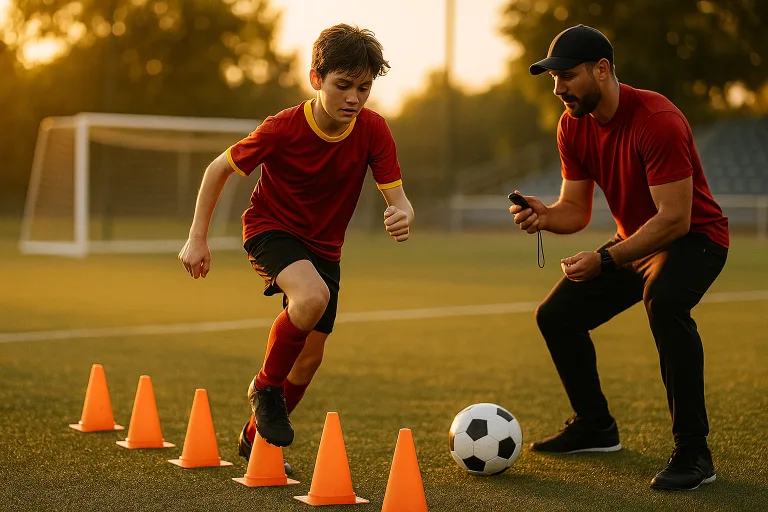
— Drills: Inside/outside touches, cone slalom dribbling, 1v1 attacking/defending games.
— Small-sided games (3v3, 4v4) to increase touches per child.
— Introduce basic positions and simple team rules.
— Frequency: 2–4 sessions per week (30–60 minutes).
Ages 10–12: Technique and decision-making
— Goal: Refined technique, speed, decision-making under pressure.
— Methods:
— Drills with constraints (limited touches, directional play).
— Passing patterns (wall pass, overlap), finishing drills, defensive positioning.
— Conditioning: fun agility ladders, short sprints, plyometrics for power.
— Video review of simple game clips to teach choices.
— Frequency: 3–5 sessions per week, including one match.
Ages 13–14: Game intelligence and physical preparation
— Goal: Tactical understanding, strength & conditioning, consistent technique.
— Methods:
— Position-specific training, tactical sessions (pressing, transitions).
— Strength basics: bodyweight circuits, core stability, supervised gym introduction.
— Recovery education: sleep, nutrition, injury prevention.
— Frequency: 4–6 sessions per week, balancing load and rest.
Sample weekly plan (ages 10–12)
— Monday: Technical session (passing, receiving) — 60 min
— Tuesday: Small-sided games + speed/agility — 60 min
— Wednesday: Rest or light active recovery (bike/walk)
— Thursday: Tactical session + finishing drills — 75 min
— Friday: Light technical touch session (ball mastery) — 45 min
— Saturday: Match day
— Sunday: Recovery/stretching + fun unstructured play
Practical drills you can do in Balashikha parks or on a pitch
— 5-zone dribbling: set five cones; dribble through each using a different surface of the foot.
— Two-touch rondo (3v1): control and quick passing in a small square.
— Shooting circuit: control, 1v1, and finish from three angles.
— Passing triangle: moving to receive, triangle passing at pace.
Advice for parents
— Choose the right club: Look for qualified coaches, child-centered programs, small-sided play, and a focus on development over winning at early ages.
— Questions to ask coaches:
— What is your coaching philosophy?
— How do you manage playing time and player rotation?
— How do you handle injuries and communication with parents?
— Support, don’t coach from the sideline: Positive encouragement beats instructions during games.
— Prioritize fun and variety: Keep training pressure appropriate to age.
— Monitor load: young bodies need rest days; avoid year-round single-sport specialization before ~13.
— Nutrition & sleep: Balanced meals, hydration, and 9–11 hours of sleep for younger children.
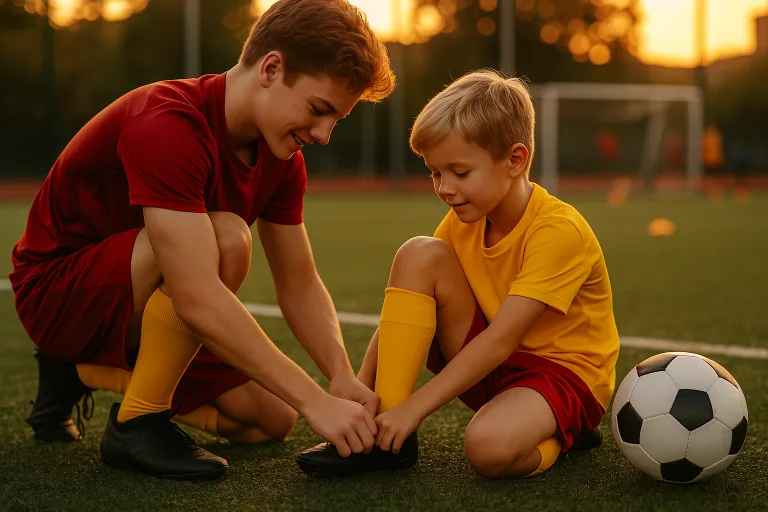
— Safety: Proper shin guards, correct shoe type for turf/grass, warm-up before play, and quick concussion protocol awareness.
Tournament overview for Balashikha and Moscow Oblast
— Types of competitions:
— Intra-club friendly tournaments and city leagues (городские турниры)
— School competitions and municipal championships
— Regional cups and Moscow Oblast youth leagues
— How to find tournaments:
— Ask local ДЮСШ (youth sports schools), municipal sports departments, and local clubs for calendars.
— Follow community social pages and local sports forums for announcements.
— Registration tips:
— Ensure medical clearance (форма допуска) and insurance where required.
— Check age-group cutoffs and team roster rules (maximum substitutions, minimum playing time).
— Tournament prep checklist:
— Pack two sets of kit, spare laces, extra water, basic first aid, snacks (bananas, sandwiches), sunscreen.
— Arrive early for warm-up and team talk.
— Focus-point for players: one or two personal goals (e.g., “complete five successful passes”).
Inspiring success stories (anonymized, local routes)
— «Masha, from a Balashikha sports school, started at 6 playing in school playgrounds. By age 11 she joined a municipal club, worked with a coach who emphasized ball time and decision-making, and at 14 played for a Moscow Oblast youth selection. Key factors: regular practice, supportive parents who avoided over-coaching, and varied sports background (athletics and futsal).»
— «Anton began at 8 in small-sided games, focused on being coachable and attending extra ball-mastery sessions. He missed fewer than 5 practices per year, learned to recover properly, and earned a trial at a regional academy at 13. Key factors: consistent attendance, positive attitude, and attention to injury prevention.»
These examples show common success elements: consistent practice, supportive but not pushy parents, quality coaching, and balanced development.
Mental and emotional development
— Teach resilience: frame mistakes as learning opportunities.
— Set process goals (improve first touch), not only outcome goals (score).
— Encourage independence: let kids make on-field decisions during play.
— Manage expectations: keep parent-athlete-coach communication clear and respectful.
Injury prevention and recovery
— Always warm up dynamically (jog + mobility + ball touches) and cool down (stretching).
— Emphasize neuromuscular control (single-leg balance, hop-and-stick drills).
— If injured, follow RICE/PEACE & LOVE where appropriate; seek professional assessment for sprains or concussions.
— Don’t rush return to play—follow graduated return-to-play protocols.
How to pick the right program in Balashikha
— Visit sessions (watch two practices) and ask for a trial week.
— Look for child-centered coaching, age-appropriate session plans, certified coaches, and a respectful club culture.
— Consider logistics: proximity to school/home, training