Growing Football Talent in Balashikha: Training Methods, Parent Advice, Tournaments, Success Stories, and Practical Tips for Kids Aged 4–14
Introduction
Balashikha is a city with growing opportunities for children who want to learn football. This guide brings together age-appropriate training methods, practical tips for kids (4–14), advice for parents, an overview of local-style tournaments, and inspiring success pathways typical for young players in the area. Use it to find the right approach for your child and to navigate clubs, schools, and competitions in and around Balashikha.
Training Methods by Age Group
Focus and methods should match development stages rather than winning.
— Age 4–6: Play and motor skills
— Emphasize fun, short sessions (20–30 minutes).
— Games that develop coordination, balance, basic ball contact (e.g., tag with a ball, stop-and-start games).
— Use soft, size-appropriate balls; no pressure to “position play.”
— Age 7–9: Fundamentals and curiosity
— Build basic techniques: dribbling, passing, shooting, first touch.
— Small-sided games (3v3 or 4v4) to maximize touches and decision-making.
— Introduce very simple tactical ideas (supporting, basic spacing).
— Age 10–12: Skill consolidation and game understanding
— Focused drills on controlling under pressure, accurate passing, movement off the ball.
— Mix technical repetition with small-sided competitive games.
— Begin position exploration; physical literacy (agility, speed, flexible strength).
— Age 13–14: Tactical development and physical preparation
— Advanced technical work plus tactical awareness (formations, roles).
— Age-appropriate strength and conditioning (bodyweight and movement quality).
— Increase match minutes, introduce recovery, and nutrition education.
Practical Training Drills and Routines
Keep sessions productive and varied.
— 10-minute warm-up: dynamic movements, light jogging, ball touches.
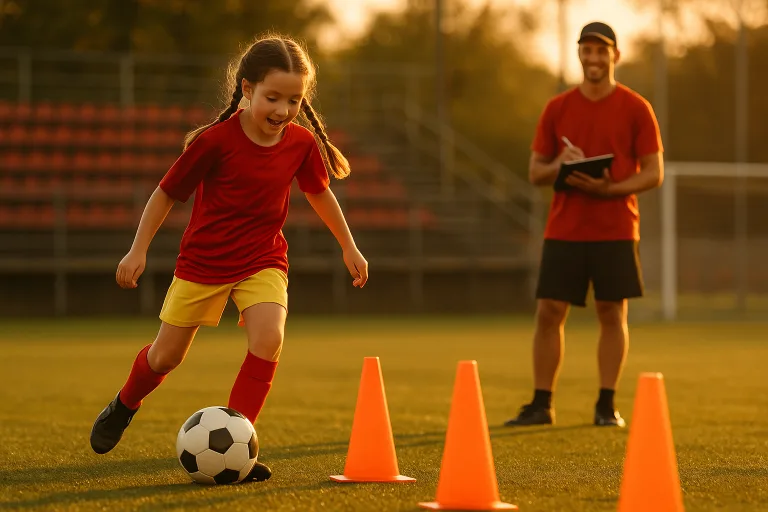
— 15–20 minutes technical circuit: dribbling cones, passing pairs, wall passes.
— 20 minutes small-sided game: 3v3 or 5v5 with simple rules to encourage specific actions (e.g., must make three passes before scoring).
— 5–10 minutes finishing practice: basic shooting drills with goalkeeper or target.
— 5–10 minutes cool-down and stretch; quick chat about what they learned.
Simple at-home drills:
— Toe touches (20–30 seconds) for touch and rhythm.
— Cone dribble slalom (5–10 minutes).
— Wall pass: pass and receive from a wall to work first touch.
— 1v1 challenge in a small grid for creativity and tackling practice.
Advice for Parents
Parents shape a child’s long-term enjoyment and development.
— Prioritize fun, progression, and confidence over early specialization.
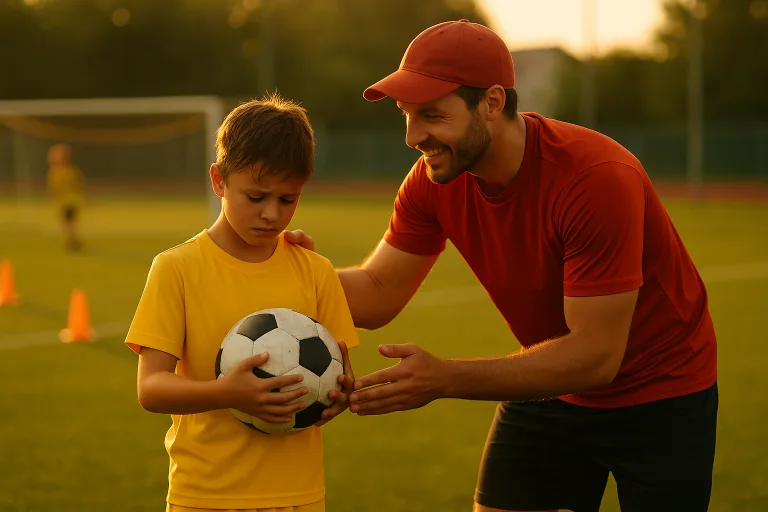
— Look for coaches who emphasize technique, positive feedback, and safety.
— Balance: allow rest days and time for other interests — long-term athletes often benefit from multi-sport backgrounds.
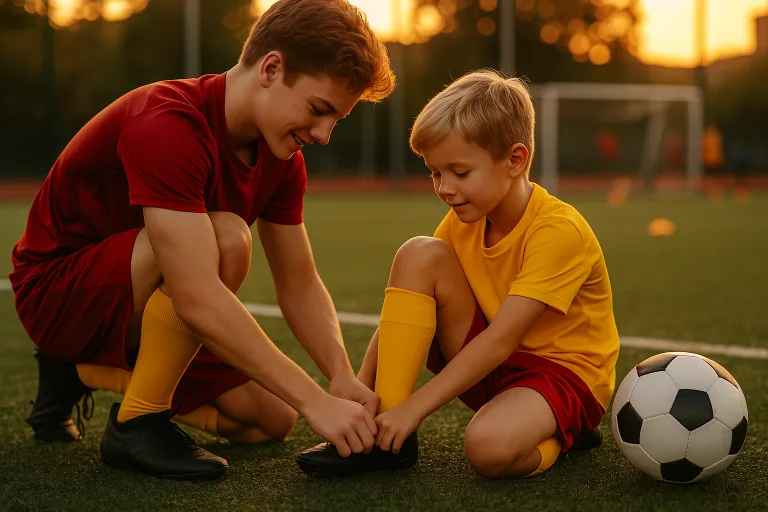
— Practical support: reliable transport to training, appropriate gear (size 3 or 4 ball for younger kids, shin guards, cleats), healthy snacks, and hydration.
— Communication: talk with the coach about goals, training load, and what your child should work on between sessions.
— Injury prevention: ensure proper warm-ups, teach safe falling/tackling, and seek professional advice for persistent pain.
Local Context: Finding Clubs and Facilities in Balashikha
How to navigate local opportunities without needing specific names.
— Municipal sports schools (ДЮСШ / детско-юношеская спортивная школа) are a common starting point for organized training.
— Community clubs and private academies often offer age-group programs and trial sessions — check the Balashikha municipal website, local VK/Telegram groups, and noticeboards at sports complexes.
— Indoor halls and artificial turf fields are valuable in winter; look for facilities that rent pitches and run winter programs.
— Ask other parents at school or training sessions for recommendations and honest feedback about coaches and club culture.
Tournament Overviews
Tournaments teach competition, resilience, and exposure.
— Friendly matches and mini-tournaments: often organized between local clubs — low pressure and ideal for experience.
— Municipal and district competitions: provide regular, structured competition; useful for measuring progress.
— Regional/Moscow-area tournaments: higher level, potential for scouting and more intense competition (suitable for older and more committed players).
— Selection tips: ensure the tournament level fits your child’s development stage — too-high competition can harm confidence; appropriate challenges build skills.
Inspiring (Typical) Success Pathways
Examples of realistic progressions for Balashikha kids. These are composite, not individual endorsements.
— Pathway A — From fun to club player:
— Starts at age 6 in a community program focused on play.
— At age 9 moves to a structured youth group, learns technical core skills.
— By 12 participates in municipal tournaments and becomes a reliable starter.
— Pathway B — Multi-sport foundation to specialization:
— Plays football, swimming, and gymnastics until 10, develops athleticism.
— At 11 focuses more on football, improves speed and coordination in specialized training.
— By 14 plays for a regional youth team and gains exposure to higher-level coaching.
Key takeaways from successful pathways:
— Consistent, quality practice beats early overtraining.
— Supportive coaches and parents who focus on development help children remain motivated.
— Exposure to varied competition and multi-sport movement backgrounds enhances athletic outcomes.
Practical Tips for Kids (4–14)
Short, actionable advice kids can understand and use.
— Practice with purpose: set a simple goal (e.g., “I’ll dribble through 10 cones without losing control”).
— Keep the ball close when dribbling — small steps and quick touches.
— Use both feet in drills: even 5–10 minutes a day with the weaker foot helps a lot.
— Watch and learn: observe local older players or simple online clips for ideas (ask a coach to recommend age-appropriate resources).
— Sleep and food: get regular sleep and eat balanced snacks before training (bananas, whole-grain bread, yogurt).
— Be a good teammate: communication, respect, and effort matter as much as individual skill.
Safety, Health, and Development
Parents and coaches should prioritize long-term health.
— Regular warm-ups reduce injury risk — include dynamic stretches and light ball play.
— Address pain early; persistent pain needs a medical check rather than “playing through.”
— Encourage gradual increases in training load; avoid rapid jumps in volume.
— Mental health: watch for burnout signs (reluctance to attend, persistent fatigue, mood changes). If present, reduce intensity or take a short break.
How to Get Started in Balashikha (Checklist)
— Find programs: check municipal sports listings, local social groups, or ask at schools.
—